At a glance
- Time needed
- Ten days to two weeks
- Best season
- May to September in the Andes
- Currency
- Peruvian sol (PEN)
- Cusco altitude
- About 3,400 m
- Machu Picchu altitude
- About 2,430 m
In this article8 sections
A first trip to Peru almost always draws the same line on the map. It starts in Lima on the Pacific, flies up to Cusco in the Andes, drops into the Sacred Valley of the Urubamba and ends at Machu Picchu. The line is a good one: it moves from the coast to the mountains, from colonial cities to Inca stone, and it builds towards the one place everybody comes to see.
What makes or breaks the trip is pace. Cusco sits high, the best days at Machu Picchu start early, and a plan that tries to fit everything into a week leaves little room for either. Ten days is comfortable; two weeks lets you add Lake Titicaca or the Amazon.
Lima: two days on the coast
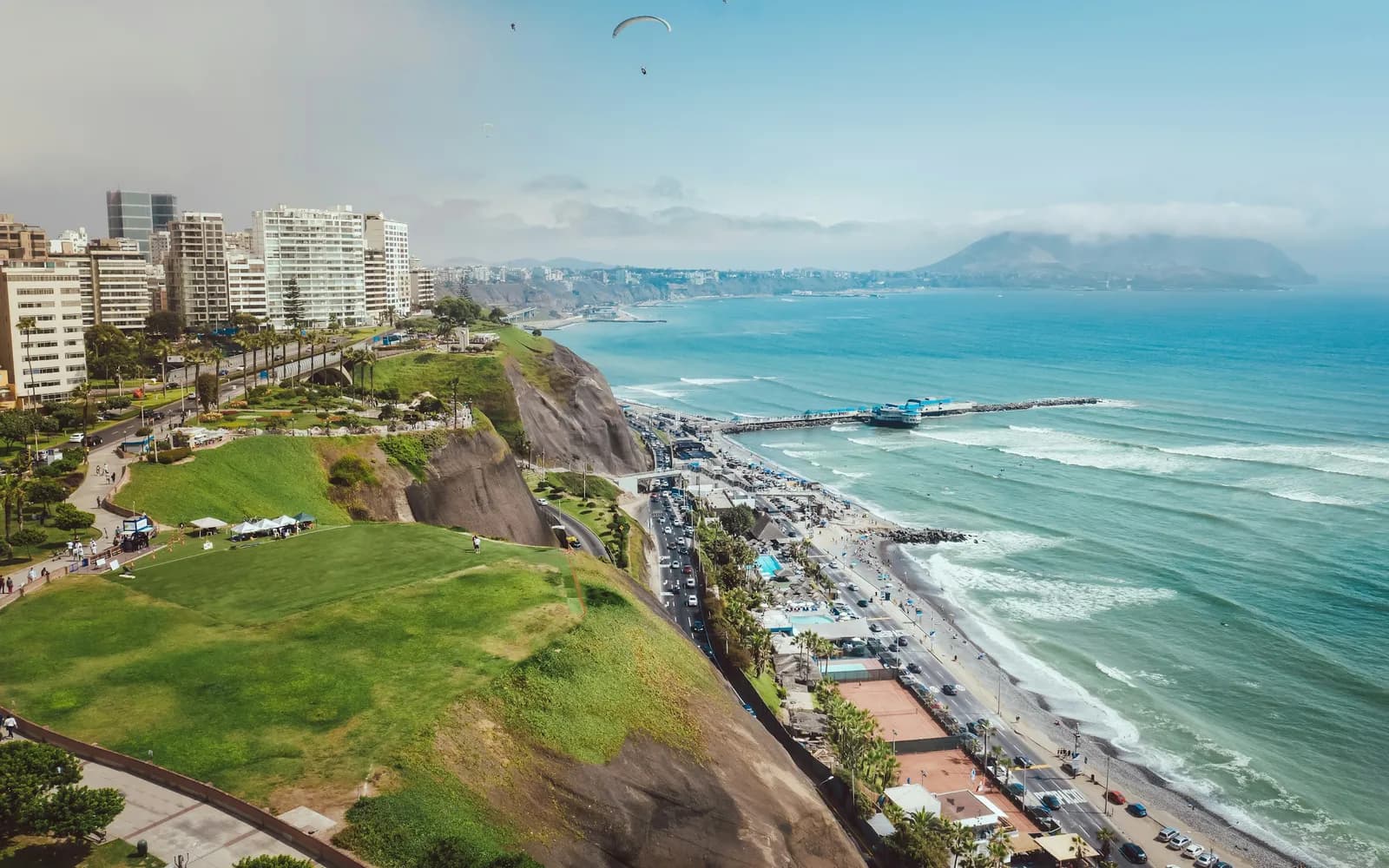
Lima is where most international flights land, and it deserves more than a night between planes. The historic centre around the Plaza Mayor holds the cathedral and the monastery of San Francisco with its catacombs. Miraflores and Barranco sit on the cliffs above the Pacific, with parks along the top and the ocean below, and they are where most visitors stay.
Lima is also one of the great food cities of the continent. Ceviche is a lunchtime dish here, eaten when the fish is freshest, and the city’s cooking draws on the coast, the Andes and the Amazon at once. The Larco Museum, with its collection of pre-Columbian pottery and gold, is a good first lesson in the cultures that came before the Incas.
Cusco, and taking the altitude gently
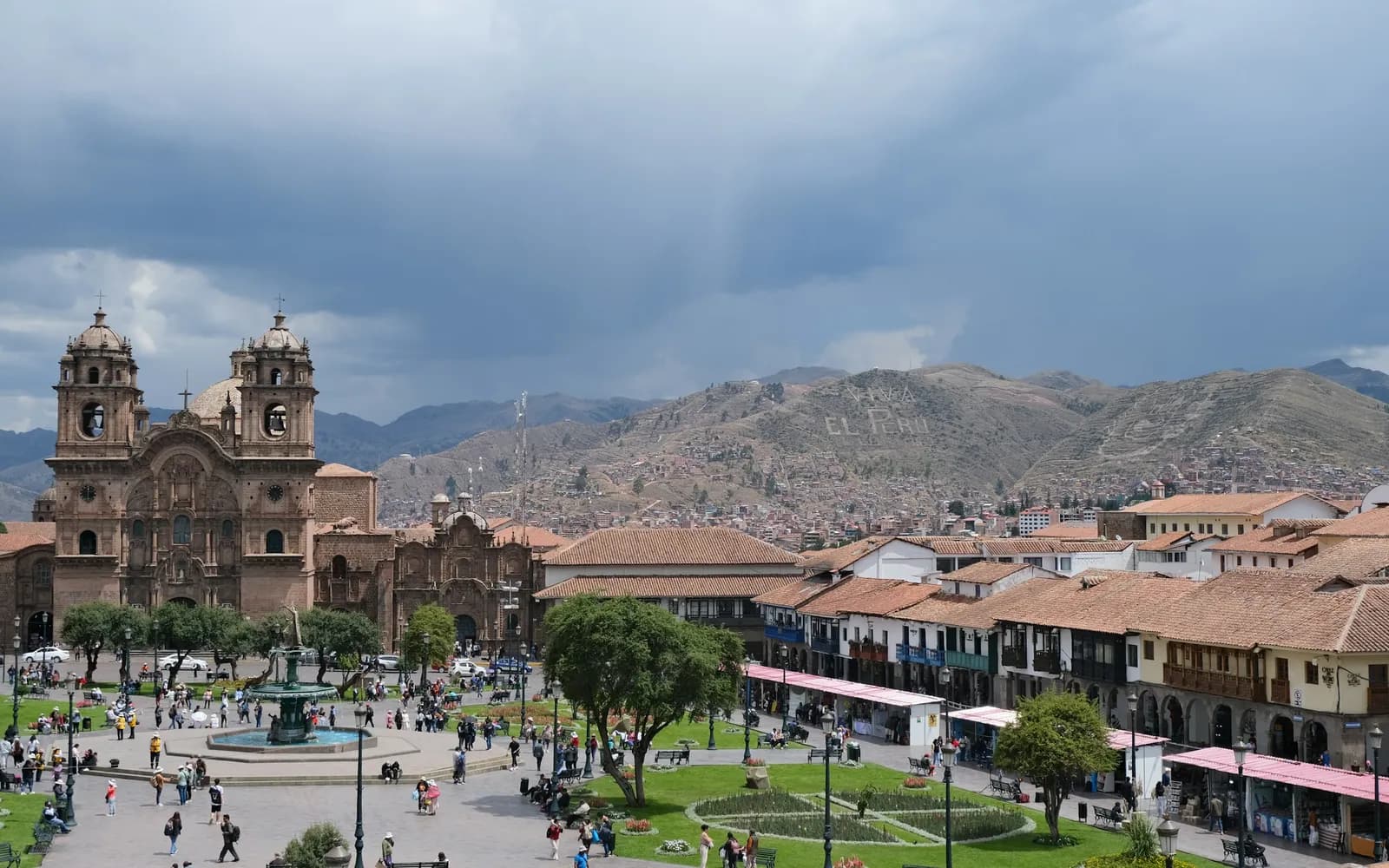
Cusco is a short flight from Lima and sits at about 3,400 metres. The Inca capital became a Spanish city, and you see both in the same wall: colonial churches and balconies built on Inca foundations that have outlasted the earthquakes that brought down much of what stood above them. The Plaza de Armas, the Qorikancha temple and the fortress of Sacsayhuamán above the town are the first things to see.
Almost everybody feels the altitude on arrival, as breathlessness on the stairs, a headache or a poor first night. Many travellers go straight down to the Sacred Valley, which lies lower than Cusco, and leave the city for the end of the trip, when they are used to the height. Either way, plan the first day to be slow.
The Sacred Valley: Pisac, Maras, Moray and Ollantaytambo
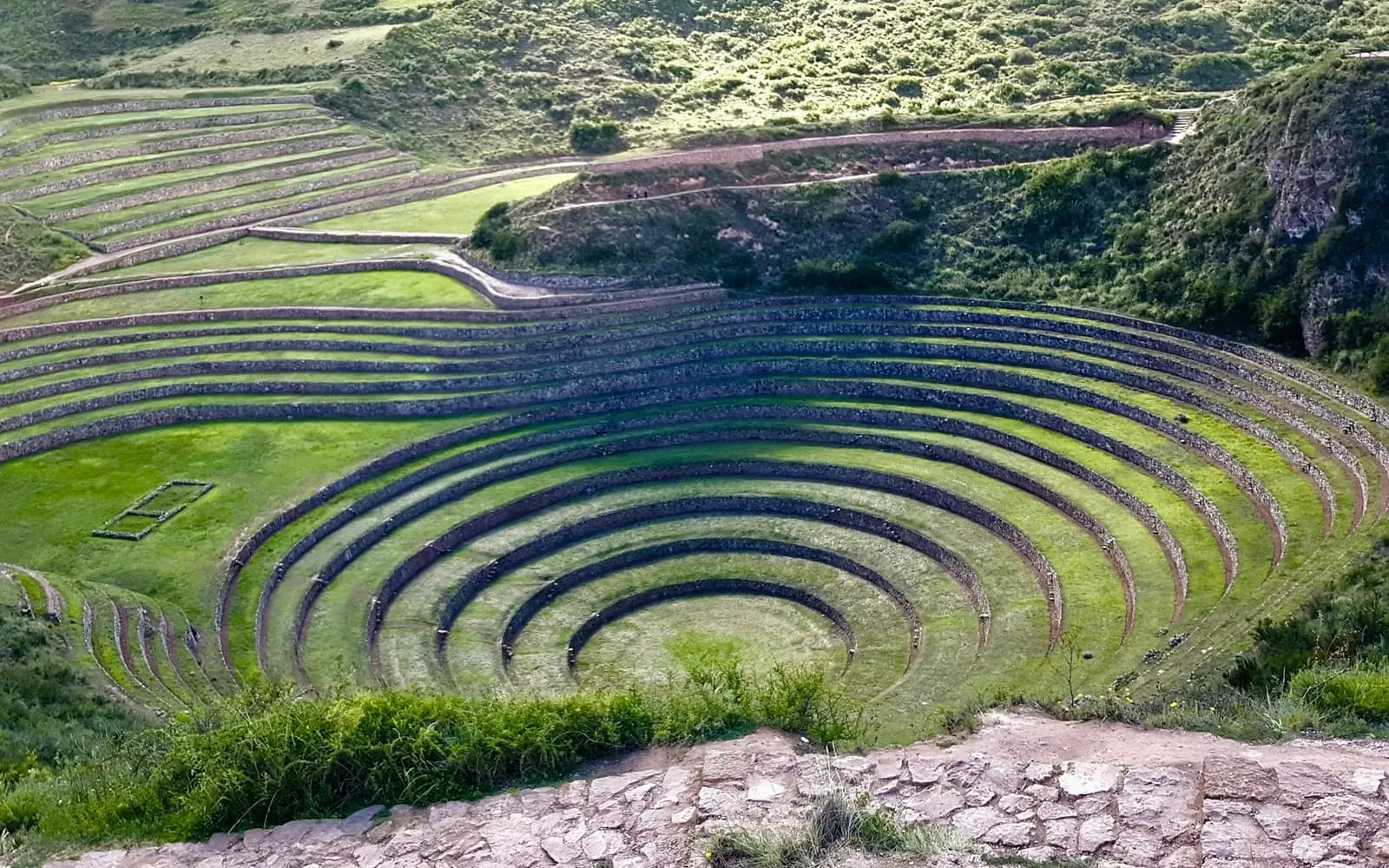
The valley of the Urubamba river was the farming heart of the Inca world, and it is the best place to understand how they lived. Pisac has terraces climbing a mountainside and a market in the town below. On the high plain above the valley, the salt pans of Maras have been worked for centuries, hundreds of small white pools stepping down a slope, and the circular terraces of Moray look like an amphitheatre cut into the ground.
Ollantaytambo, at the far end, is an Inca town still lived in, with its fortress and temple above the square. It is also where most trains to Machu Picchu leave from, which makes it a good place to spend the night before.
 Day outThe Sacred Valley: Pisac, Ollantaytambo, Maras and MorayFull day (about 11 hours) · CuscoFrom $102 per personSee the day
Machu Picchu: planning the day
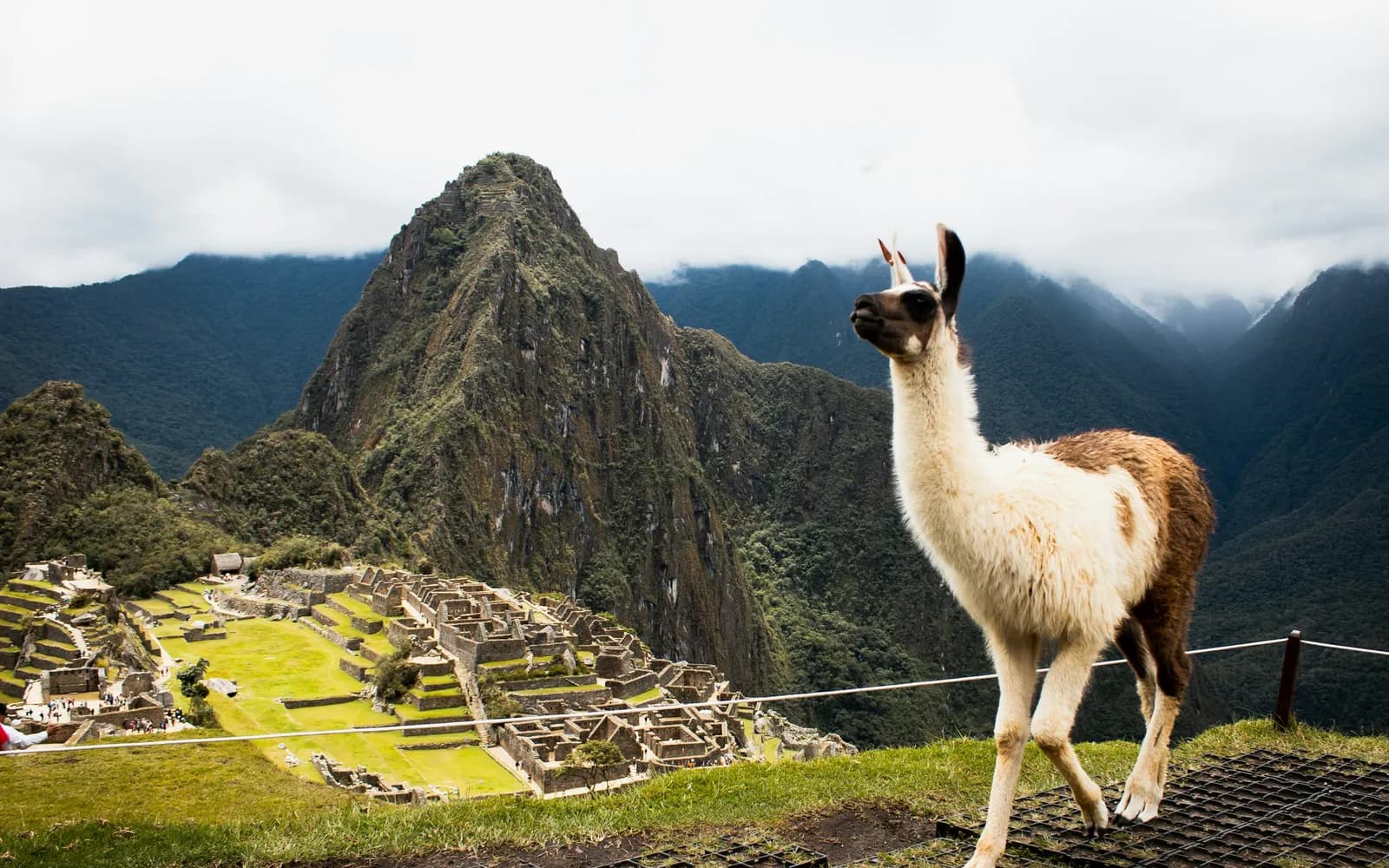
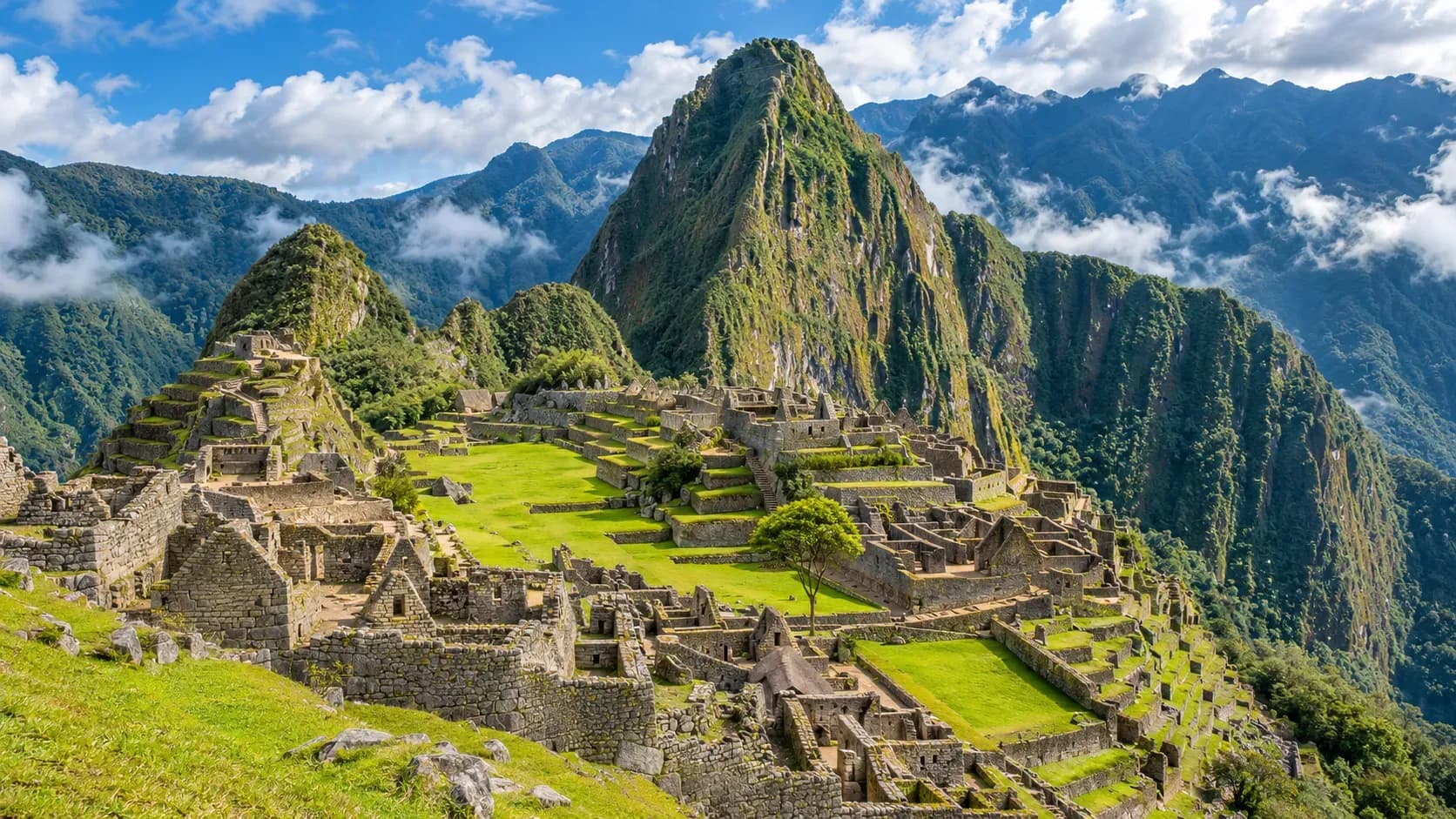
Machu Picchu stands at about 2,430 metres on a ridge above the Urubamba, lower than Cusco and warmer. The usual way in is by train along the river to Aguas Calientes, then by bus up the mountain road to the gate. Walkers can arrive on foot by the Inca Trail, which takes several days and needs a permit booked many months ahead.
Entry is by timed ticket and numbers are limited, so book Machu Picchu entry well ahead, above all for June to August. Carry the passport your ticket was booked with. A night in Aguas Calientes lets you be at the gate for the first hours, when the light is soft and the site is quieter, and a guide brings the stones to life in a way no sign can.
Practical points
A few things are worth settling before you book.
- Entry: many passports need no visa for a tourist stay in Peru. Check the rules for your own passport, or ask us through our visa page.
- Money: the Peruvian sol. Cards are accepted in hotels and most restaurants in Lima and Cusco; carry soles for markets, small towns and tips.
- Tipping: around 10 per cent in restaurants where service is not already included.
- Water: drink bottled or filtered water rather than tap water.
- Getting around: domestic flights between Lima, Cusco and the other regions; the train for Machu Picchu.
- Insurance: worth holding on any trip to altitude, with medical cover that includes evacuation.
 InsuranceTravel medical insuranceCover valid across Latin America, Cuba included, priced for your dates and ages.From $3.70 per person per dayPrice your cover
Peru as part of a longer journey
If you have two weeks or more, Peru joins naturally with its neighbours. Our From the Andes to the Amazon journey runs for fifteen days from Santiago across the Andes to the salt flat of Uyuni, La Paz and Lake Titicaca, then through Cusco to Machu Picchu, into the Amazon, and on to Lima and the Nazca Lines, with the altitude taken in steps along the way.
 New journeyFrom the Andes to the Amazon15 days · 14 nights · Chile · Bolivia · PeruFrom $7,758 per adultSee the journey
Plan it with us
What we arrange for a trip like this one. Each is booked and paid in one step, and priced in full before you pay.
- New journeyFrom the Andes to the Amazon15 days · 14 nights · Chile · Bolivia · PeruFrom $7,758 per adultSee the journey
- Day outThe Sacred Valley: Pisac, Ollantaytambo, Maras and MorayFull day (about 11 hours) · CuscoFrom $102 per personSee the day
 FlightsFlights for your datesFlights worldwide, booked automatically once your payment is confirmed.Search flights
 HotelsHotels for your datesSearch by city or hotel and see the price for your dates and party before you pay.Search hotels
- InsuranceTravel medical insuranceCover valid across Latin America, Cuba included, priced for your dates and ages.From $3.70 per person per dayPrice your cover
Questions
How many days do I need for a first trip to Peru?
Ten days covers Lima, Cusco, the Sacred Valley and Machu Picchu at a comfortable pace. Two weeks lets you add Lake Titicaca or the Amazon.
When is the best time to visit Machu Picchu?
May to September, the dry season, gives the clearest days; June to August is the busiest. April and October are often a good balance. Book entry well ahead whatever the month.
How do I deal with the altitude in Cusco?
Take the first day slowly, drink plenty of water and keep meals light. Many travellers start in the lower Sacred Valley and see Cusco at the end of the trip.
Do I need a visa for Peru?
Many passports need no visa for a tourist stay. The rules depend on your passport, so check them before you book or ask us through our visa page.