

At a glance
- Best for most trips
- Late November to April
- Quietest dry weeks
- Early November and late April
- Hottest months
- July and August
- Hurricane season
- June to November, most active August to October
- Busiest weeks
- Christmas, New Year and Easter
In this article6 sections
Cuba runs on two seasons rather than four. The dry season lasts from about November to April; the wet season fills the months from May to October. Almost every decision about when to go follows from which of the two you pick, and the trade-off is real in both directions.
It is warm all year, so the question is less about temperature than about humidity, rain, crowds and price. This guide takes each in turn, then gives the short answer for the kind of trip you have in mind.
November to April: the dry months
This is the stretch most travellers aim for, and with reason. Humidity drops, the afternoons stay clear, and Havana becomes a city you can walk across in the middle of the day without regretting it. The sea stays warm enough to swim in throughout, and evenings on the coast are pleasant rather than sticky.
The cost is company and price. Christmas, New Year and the weeks around Easter are the busiest of the year, hotels apply their highest seasonal rates, and the most popular hotels in Havana and Varadero fill early. In January and February a passing cold front can bring a cool, windy day, and evenings can dip into the high teens Celsius, so a light layer earns its place in the bag.
If you want the dry season without the crush, aim for the quiet edges: the first half of November and the second half of April. The weather has usually settled by early November and tends to hold until the humidity returns towards May.
May to October: the green months
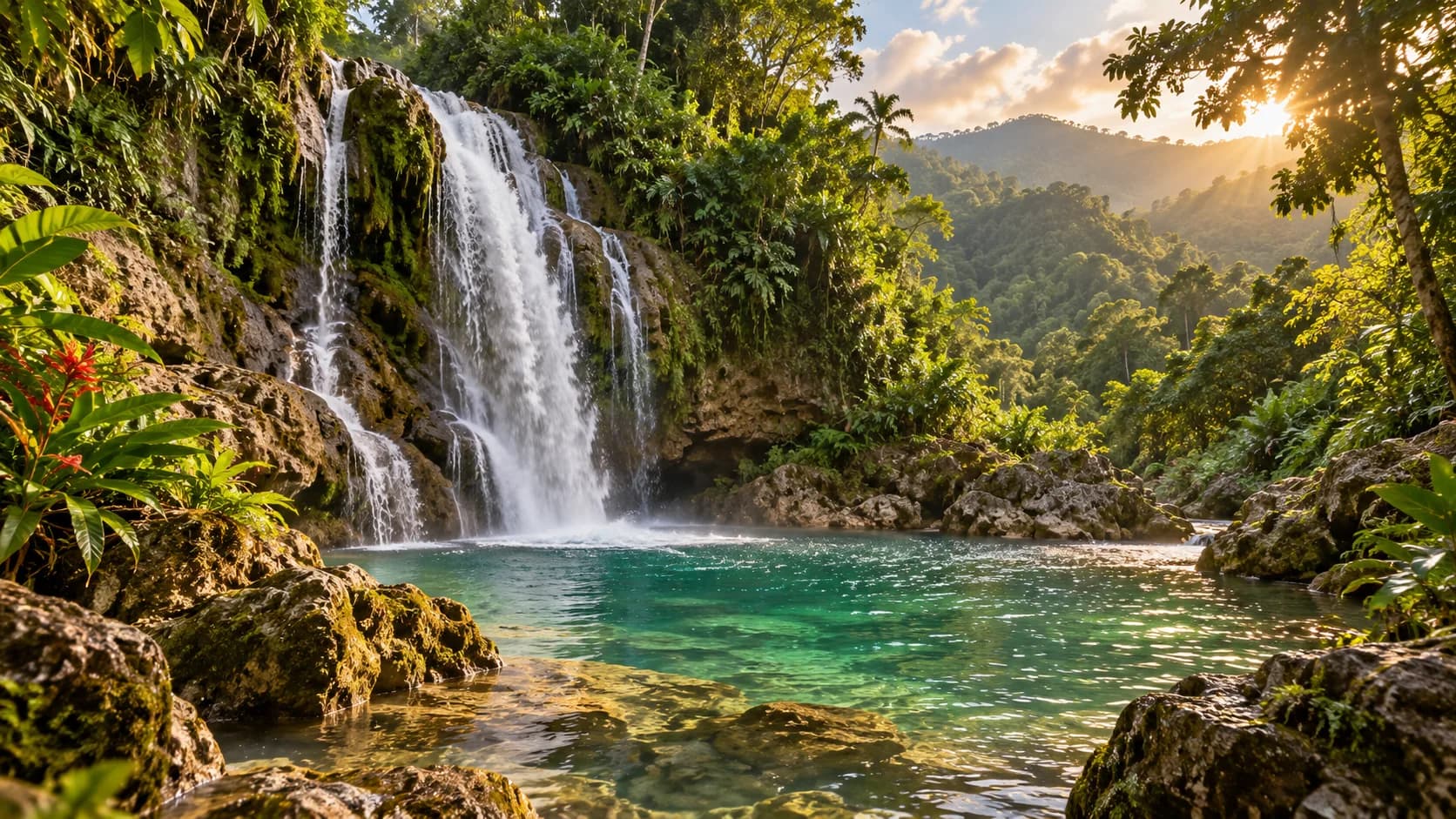
The wet season is not the washout it is often described as. Rain in Cuba usually arrives as a heavy hour in the afternoon rather than a grey week, and the countryside is transformed by it: the Viñales valley is at its greenest, the waterfalls at El Nicho in the Escambray mountains are at their fullest, and the late afternoon light is the best of the year.
Two caveats matter. The first is heat: July and August are hot and humid, and a walking day in Havana needs planning around the middle hours. The second is the Atlantic hurricane season, which formally runs from June to November and is most active from August to October. A serious storm in any given week is not likely, but it is likely enough that travel insurance and some flexibility in your dates stop being optional.
Prices and crowds through the year
Hotel prices in Cuba are mostly set by season rather than by the day, so the pattern is predictable. The highest rates fall over Christmas and New Year, through the dry winter months and around Easter; the lowest across the wet season. If your dates can move by a week or two, moving them is usually worth more than any amount of comparison.
Flights follow a similar rhythm, with the holiday weeks the most expensive. Booking early matters most for those weeks; for the rest of the year there is usually more room to choose.
The short answer
For a first trip built around cities and beaches, aim for late November, early December, or March and April outside Easter week. You get dry-season weather without the holiday peak.
For photographers, walkers and anyone heading into the interior, May and early June are underrated: everything is green, the crowds have thinned, and the same hotel usually costs less than it does in February.
If your dates fall in September or October, build the trip so that the beach section sits at the end rather than the beginning, and keep your plans flexible. If a storm moves through, a beach week is easier to reshape than a city itinerary with fixed entries.
 Signature journeyClassic Cuba8 days · 7 nights · CubaFrom $2,994 per adultSee the journey
Plan it with us
What we arrange for a trip like this one. Each is booked and paid in one step, and priced in full before you pay.
- Signature journeyClassic Cuba8 days · 7 nights · CubaFrom $2,994 per adultSee the journey
 Signature journeyCaribbean Grand Journey15 days · 14 nights · Dominican Republic · Cuba · MexicoFrom $4,990 per adultSee the journey
 Day outPinar del Río & Viñales Valley ExperienceFull day · From HavanaFrom $155 per personSee the day
 InsuranceTravel medical insuranceCover valid across Latin America, Cuba included, priced for your dates and ages.From $3.70 per person per dayPrice your cover
 EntryCuba e-VisaIssued with your booking and sent to you before you fly.From $80 per travellerGet the e-Visa
 FlightsFlights for your datesFlights worldwide, booked automatically once your payment is confirmed.Search flights
Questions
What is the best month to visit Cuba?
For most travellers, the dry months from late November to April. March and April, outside Easter week, combine dry weather with fewer crowds than the Christmas and New Year peak.
When is hurricane season in Cuba?
The Atlantic hurricane season runs from 1 June to 30 November and is most active from August to October. Serious storms are not an every-week event, but travel insurance and flexible plans are worth having in those months.
Is it worth visiting Cuba in summer?
Yes, if you plan around the heat. July and August are hot and humid, so walking is best early and late in the day. Rain usually comes as a short, heavy afternoon shower, and the countryside is at its greenest.
When is Cuba cheapest?
Generally in the wet season, from May to October, when hotels move to their lower seasonal rates. The most expensive weeks are Christmas, New Year and Easter.