
Choose two or three regions
Brazil is huge, and distances between Rio, Iguaçu, Salvador, Manaus and the Pantanal mean flights. Pick two or three regions for a first trip rather than trying to cover the country.
Destination
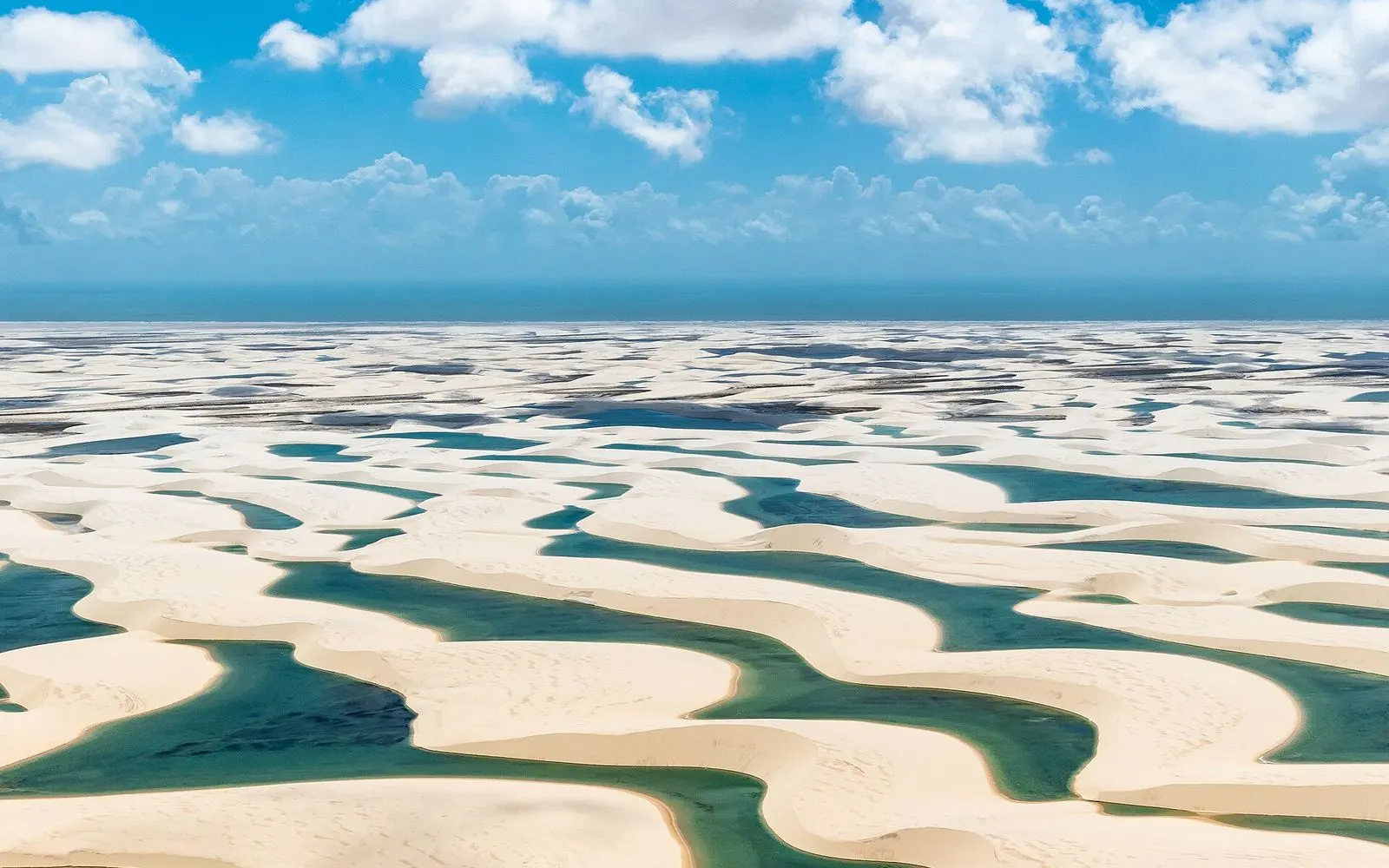
Brazil is vast: Rio's bay and beaches, Iguaçu Falls, Amazon river lodges, Afro-Brazilian Salvador, the Pantanal wetlands and white dunes, linked by domestic flights.
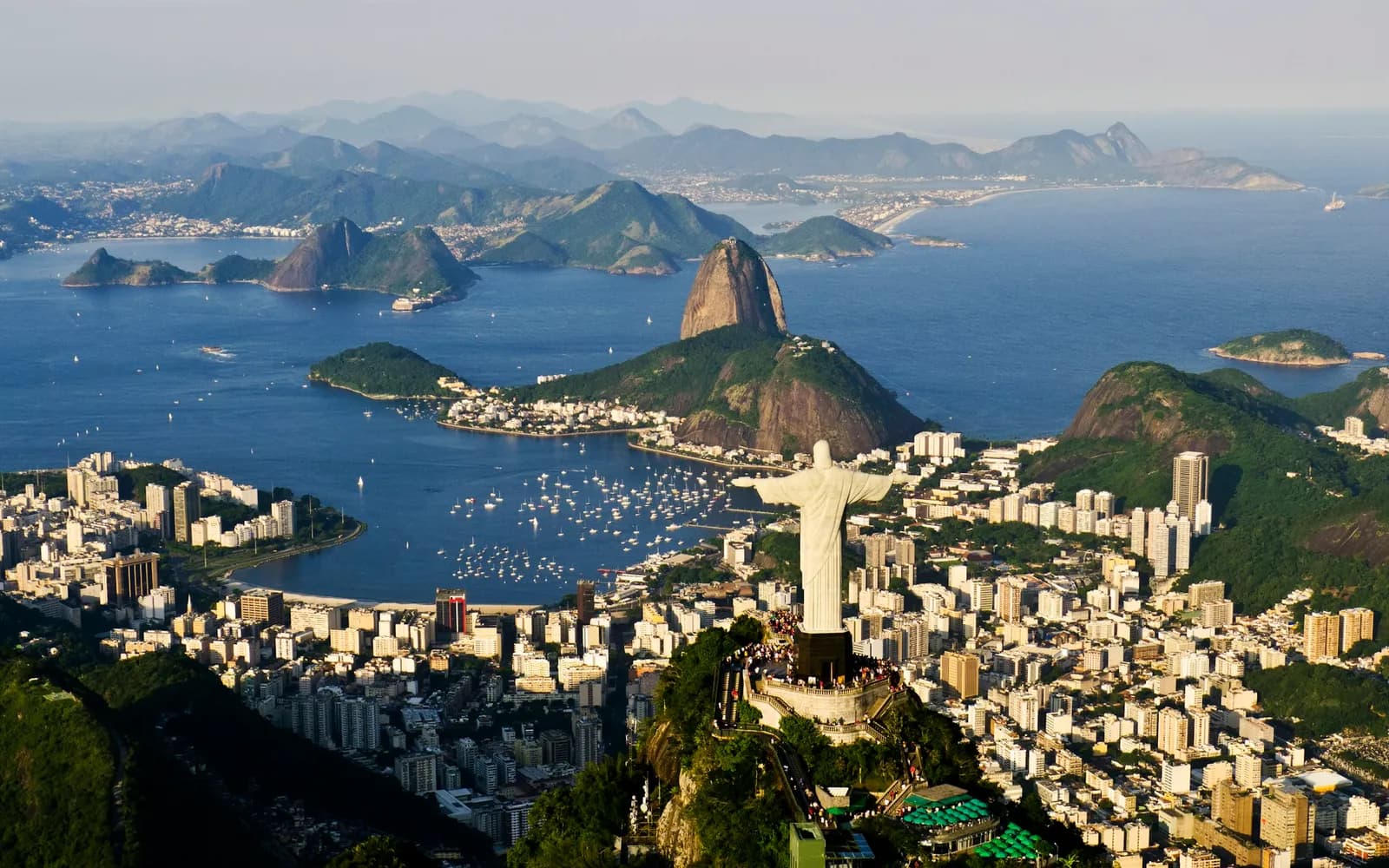 Rio de JaneiroBeach city
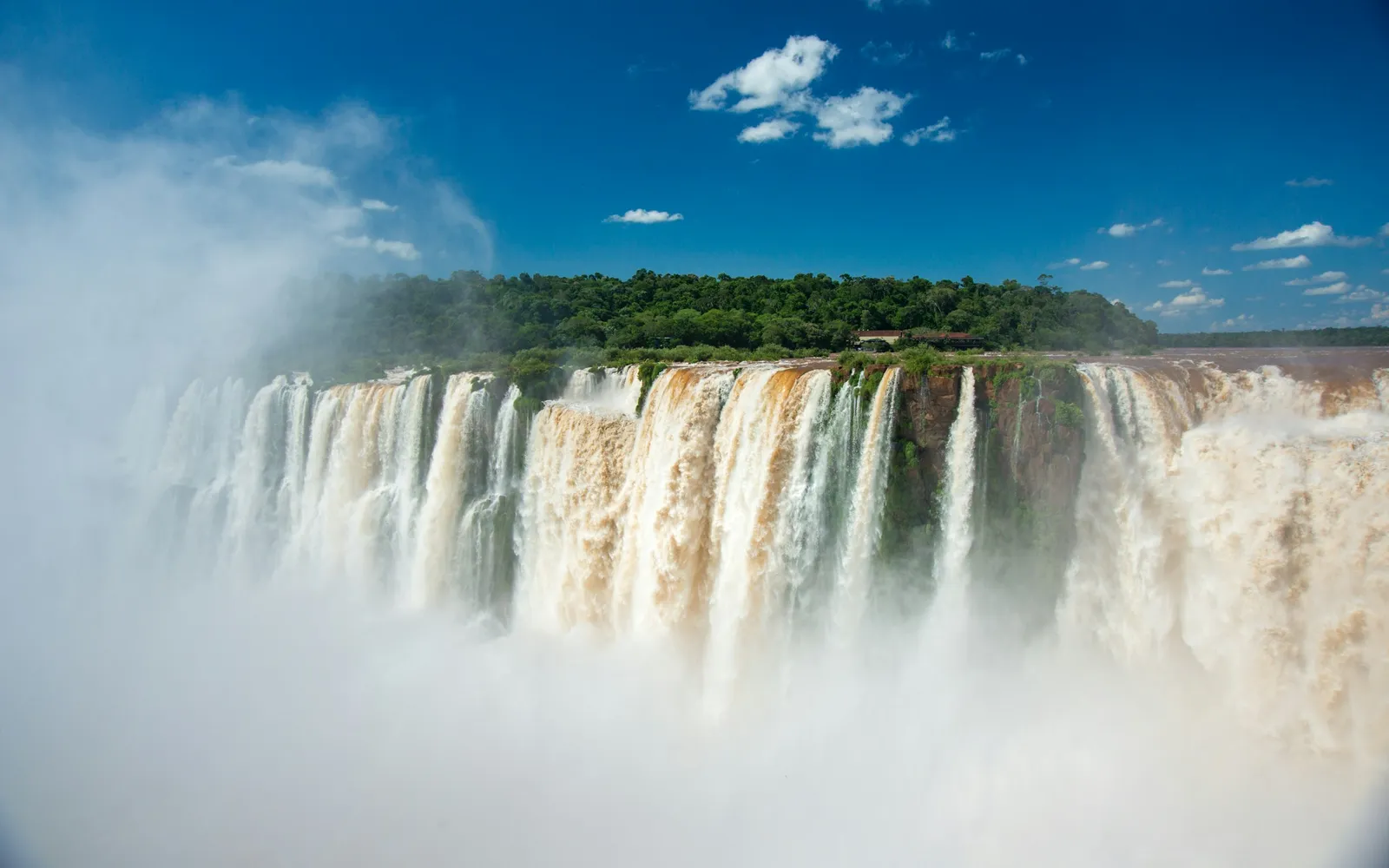 Iguaçu FallsWaterfall border
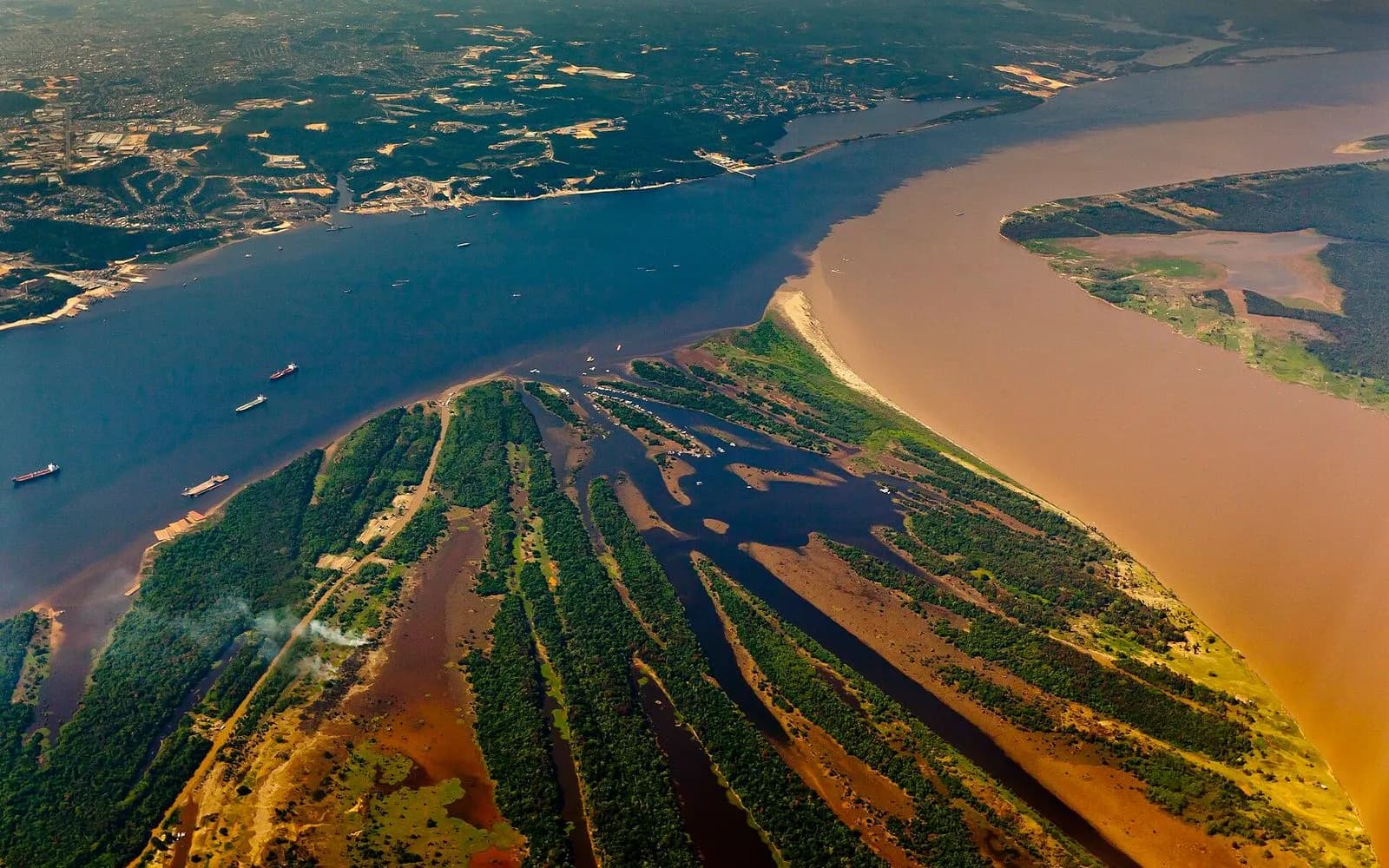 The AmazonRiver rainforest
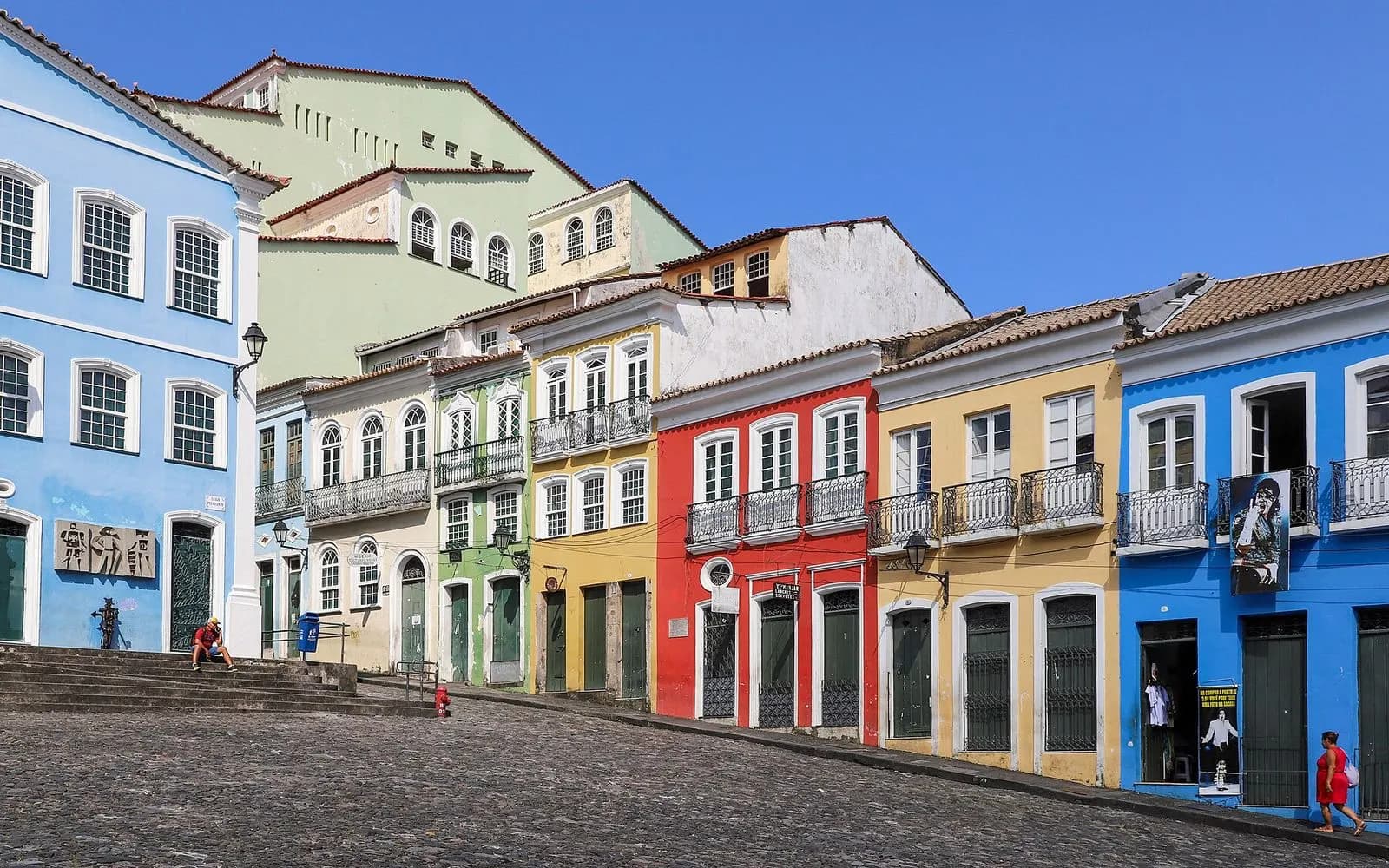 SalvadorAfro-Brazilian heritage
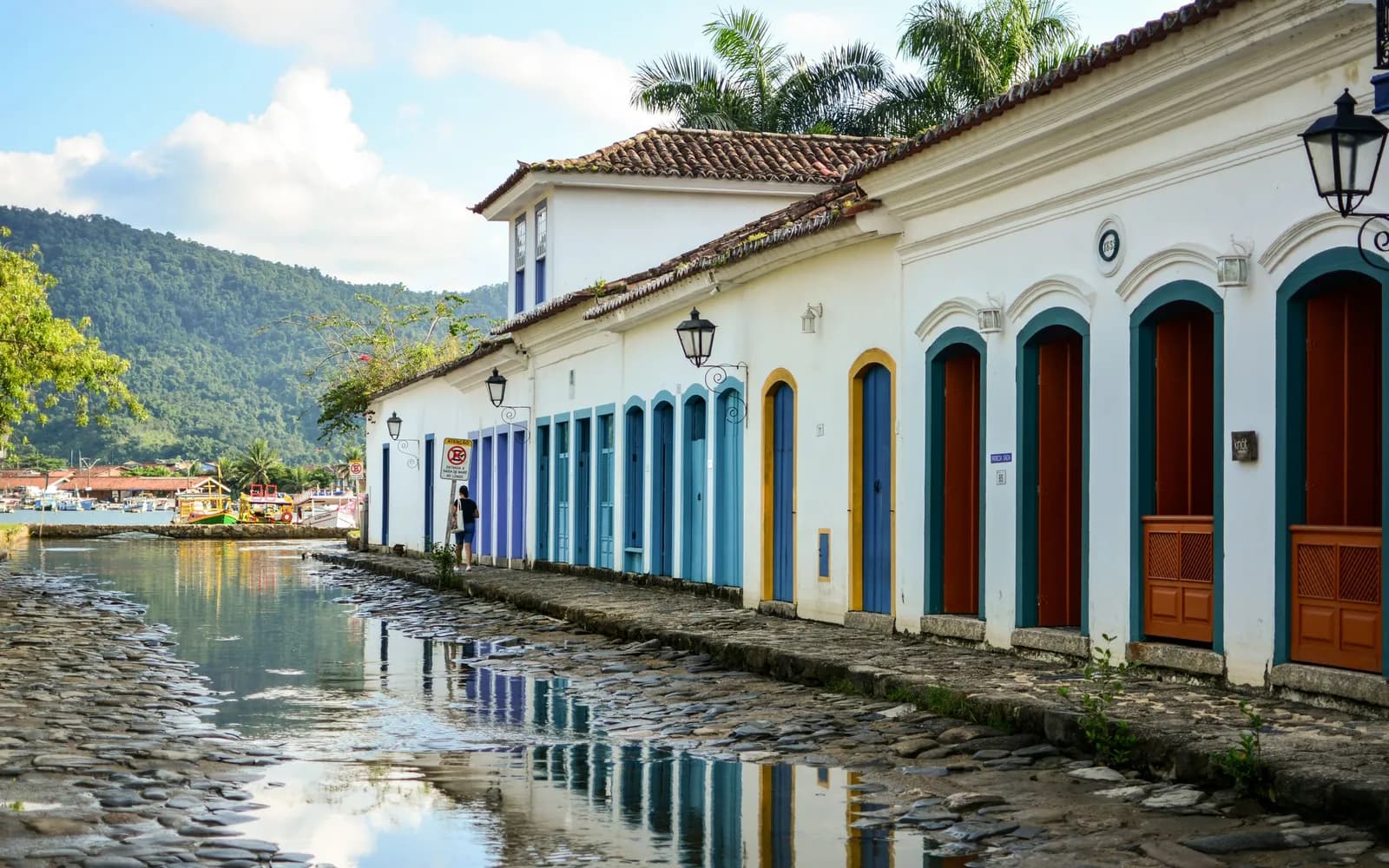 Paraty & Ilha GrandeColonial coast
 PantanalWetland wildlife
Handpicked places that create different chapters of the same country.
A city of beaches and granite peaks, with Christ the Redeemer, Sugarloaf and a UNESCO-listed landscape between mountain and sea.
City · BeachesUp to about 275 falls on the Argentine border, seen from a Brazilian panoramic walkway or Argentine trails.
Falls · WalkwaysRainforest and river trips from Manaus, where the dark Rio Negro and sandy Solimões run side by side for about 6 km.
Rainforest · RiversBrazil's first capital, founded in 1549, with a UNESCO-listed historic centre at Pelourinho and a strong Afro-Brazilian culture.
Heritage · CultureA colonial port of cobbled streets on a bay of islands, UNESCO-listed with Ilha Grande in 2019, and the car-free island across the water, with rainforest trails and beaches such as Lopes Mendes.
Colonial · IslandsThe world's largest tropical wetland, with caimans, capybaras and hyacinth macaws, and jaguars most often seen in the northern Pantanal.
Wetland · WildlifeUse travel style to decide what deserves more time.
Guided routes on sale now that include Brazil.
Hotels in Rio de Janeiro and flights into it at live prices for your dates, booked and paid in one step. The rest of the route we plan with you.
Practical thinking for a better-paced first plan.
Brazil is huge, and distances between Rio, Iguaçu, Salvador, Manaus and the Pantanal mean flights. Pick two or three regions for a first trip rather than trying to cover the country.
Rio and Iguaçu Falls pair well by a domestic flight. The falls can be seen from both Brazil and Argentina with different views, so check border and entry rules for your passport if you cross.
Rio is hottest from about December to March. The Pantanal is best for wildlife in the drier months of roughly June to October, the Lençóis lagoons are fullest around June to September, and the Amazon has high-water and low-water seasons.
Salvador and the Lençóis Maranhenses are both in the northeast but far apart. Barreirinhas, the gateway to the dunes, is about 260 km from São Luís, a drive of four to five hours.
Month by month, region by region: the weather shapes the route.
January: BestThe south-east coast is hottest and busiest from December to March, and Rio can feel cool in July and August. Carnival falls in February or March.
January: Less suitedWildlife viewing in the Pantanal is best in the drier months, roughly June to October. The Amazon is hot and humid all year, a little drier from about June to October.
January: BestDry from about September to February, with the wettest months roughly April to June.
January: GoodThe falls run all year. Summer is hot, humid and often stormy, so the cooler months from about April to October are more comfortable on the walkways.
The essentials for Brazil at a glance.
It depends on the region. Rio and the south-east coast are hottest from December to March, the Pantanal is best for wildlife from about June to October, and Salvador and the north-east are driest from about September to February.
Brazil is huge, so choose two or three regions. Ten days suits Rio and Iguaçu Falls with one more region such as Salvador, the Pantanal or the Amazon, and two weeks leaves room for Paraty and Ilha Grande.
Entry rules depend on your passport and can change, so check them with Brazil’s foreign ministry or your nearest Brazilian consulate before you book.
Most visits pass without trouble, but read your government’s current travel advice before booking. Watch for petty theft in cities and on beaches, keep valuables out of sight and avoid walking alone at night.
The currency is the Brazilian real. Cards are widely accepted in cities, hotels and restaurants; carry some cash for small shops, markets and remote areas.
Distances are large, so use domestic flights between regions, such as Rio to Iguaçu or to Manaus for the Amazon. Paraty is a few hours by road from Rio, and Ilha Grande is reached by boat from the coast.
Tap water is generally treated in large cities, but many travellers prefer bottled or filtered water, and bottled water is advised in rural areas. Yellow fever advice applies to some regions, so check with your health authority well before you travel.
We strongly recommend it, with cover for medical care and evacuation, especially if you plan to travel in the Amazon or Pantanal. You can add travel insurance to your trip with us.
Travel insuranceAsk our travel planner, or write to us and a travel specialist will answer.
Start with your dates, pace, interests or budget, and get a route drafted from what we sell, with its prices, before you book anything.