
Plan for altitude first
Cusco is at about 3,400 metres and Lake Titicaca above 3,800, while the Sacred Valley is lower. Many itineraries sleep in the Sacred Valley first, then Cusco, and keep the first day light.
Destination
Inca citadels and Andean valleys, the former Inca capital of Cusco, Lake Titicaca and coastal Lima, in a country best planned around altitude, trains and a few key flights.
 Machu PicchuInca citadel
 CuscoInca capital
 Sacred ValleyInca valley
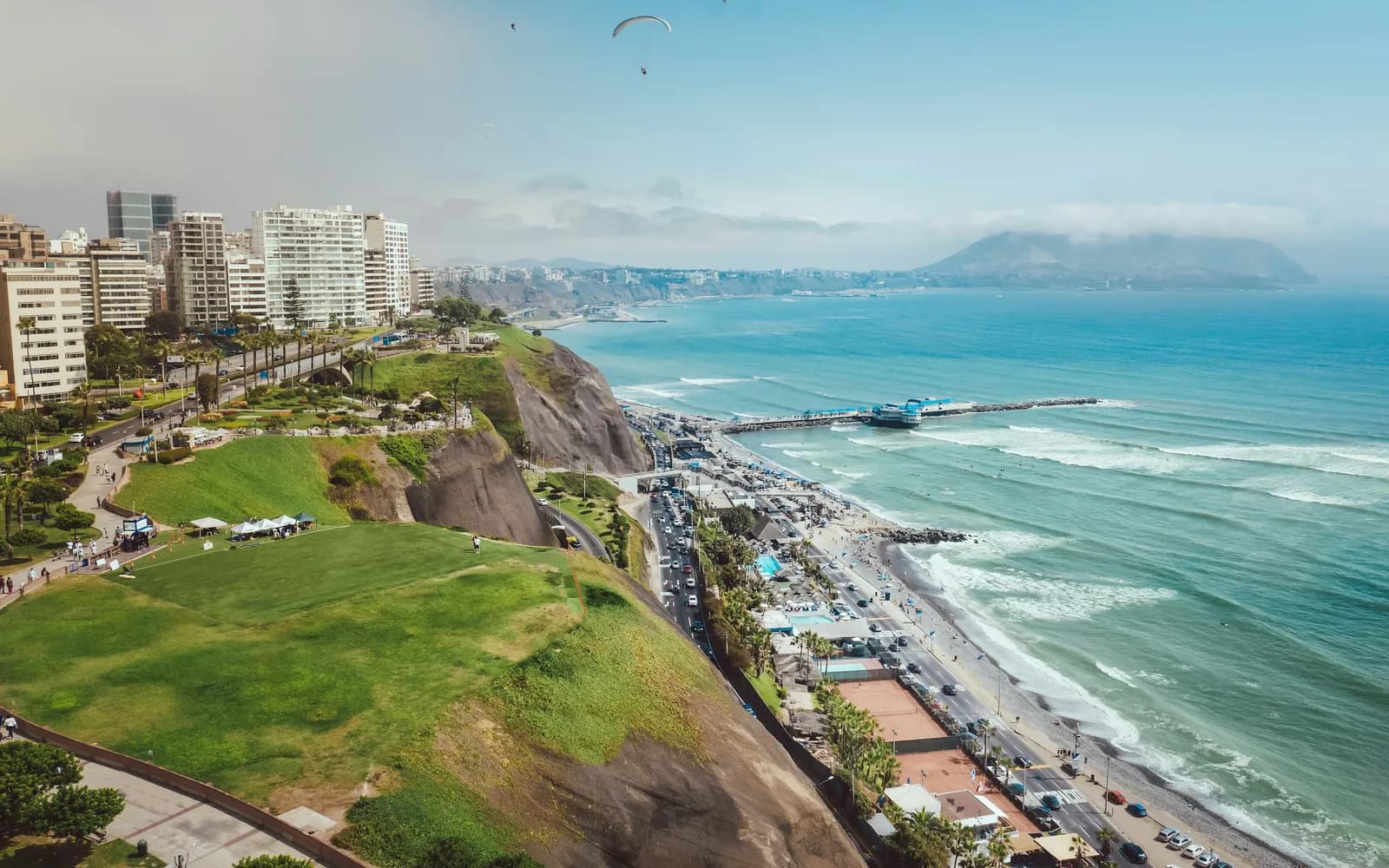 LimaCoastal capital
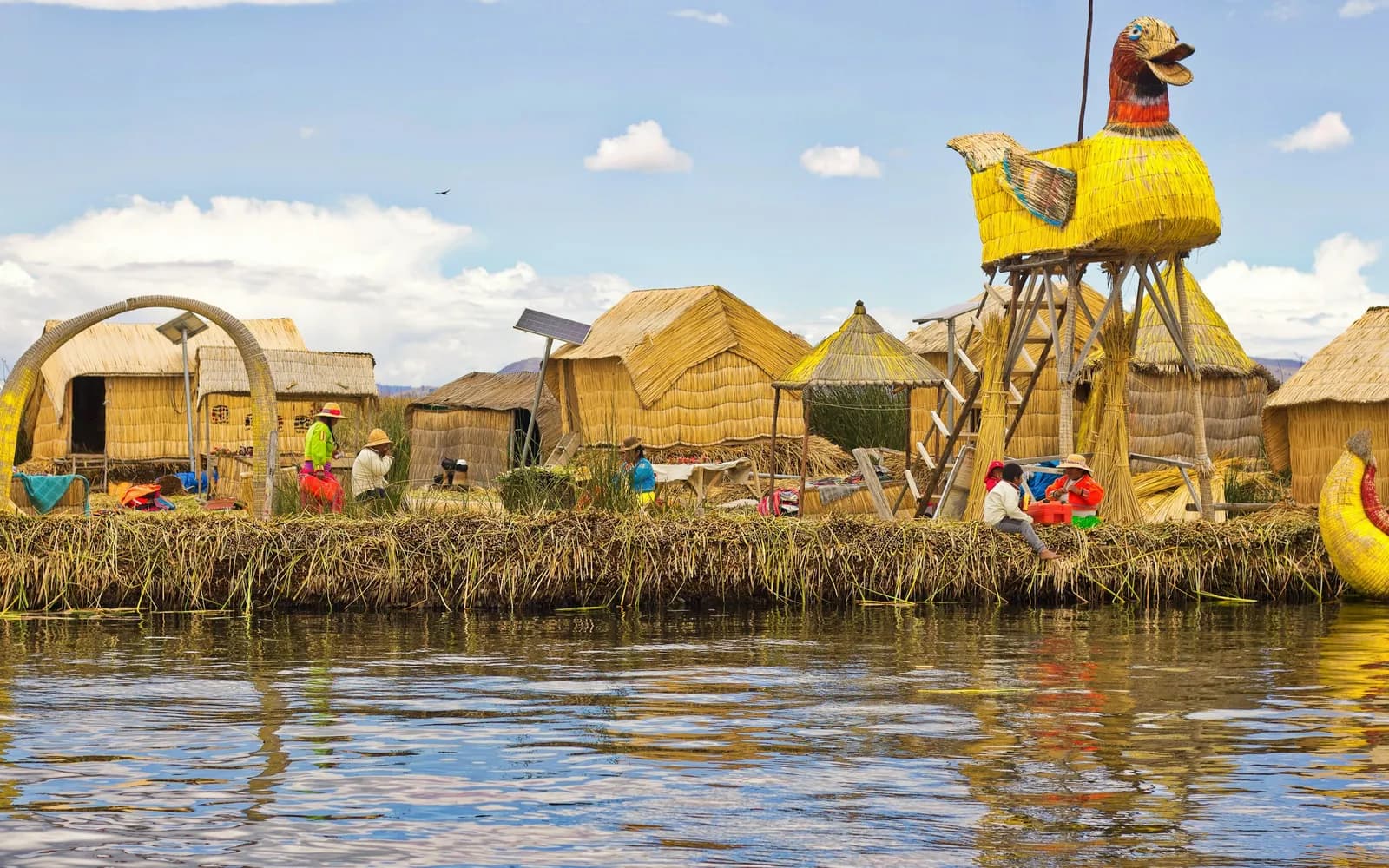 Lake TiticacaHighland lake
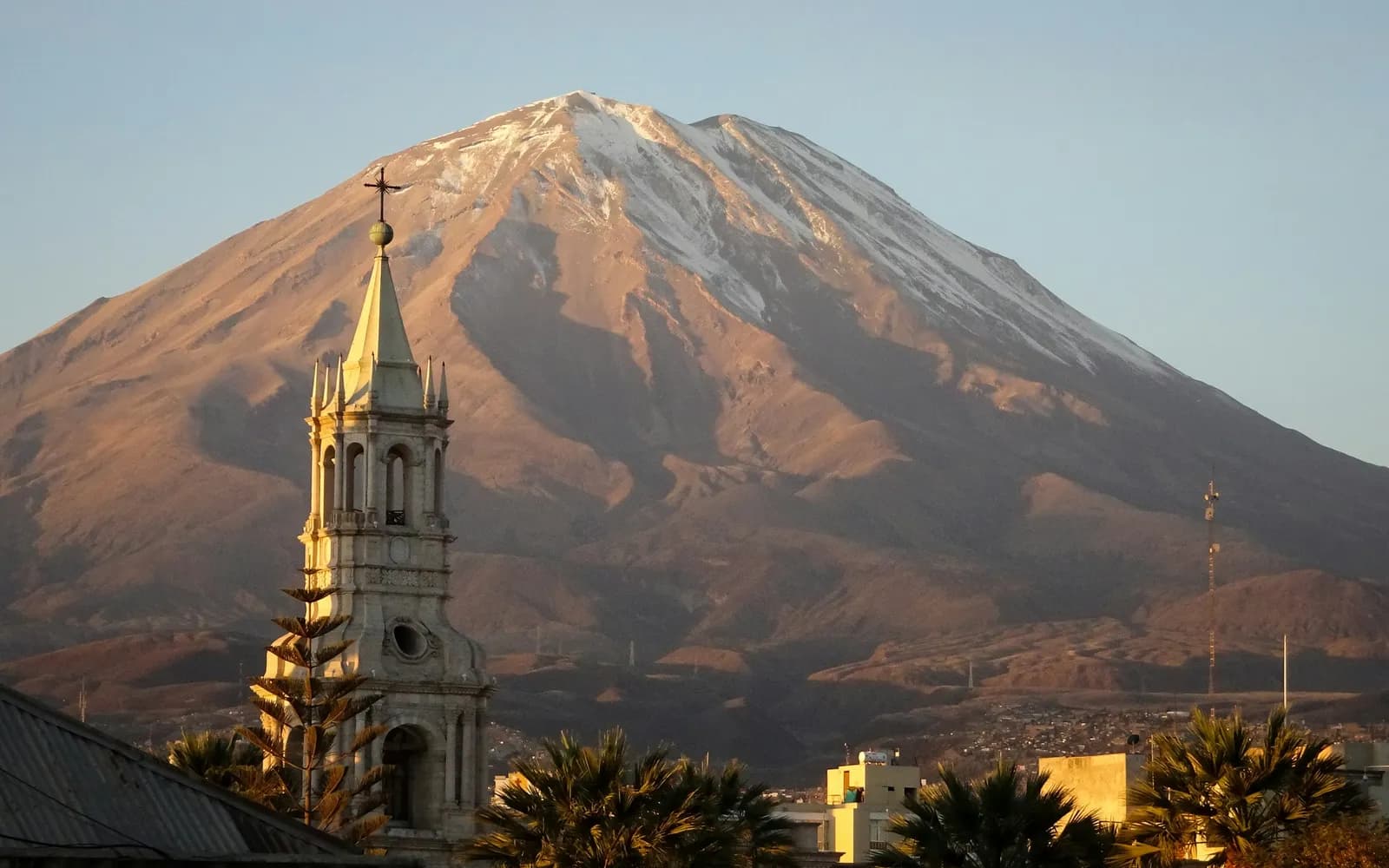 Arequipa & ColcaWhite-stone city
Handpicked places that create different chapters of the same country.
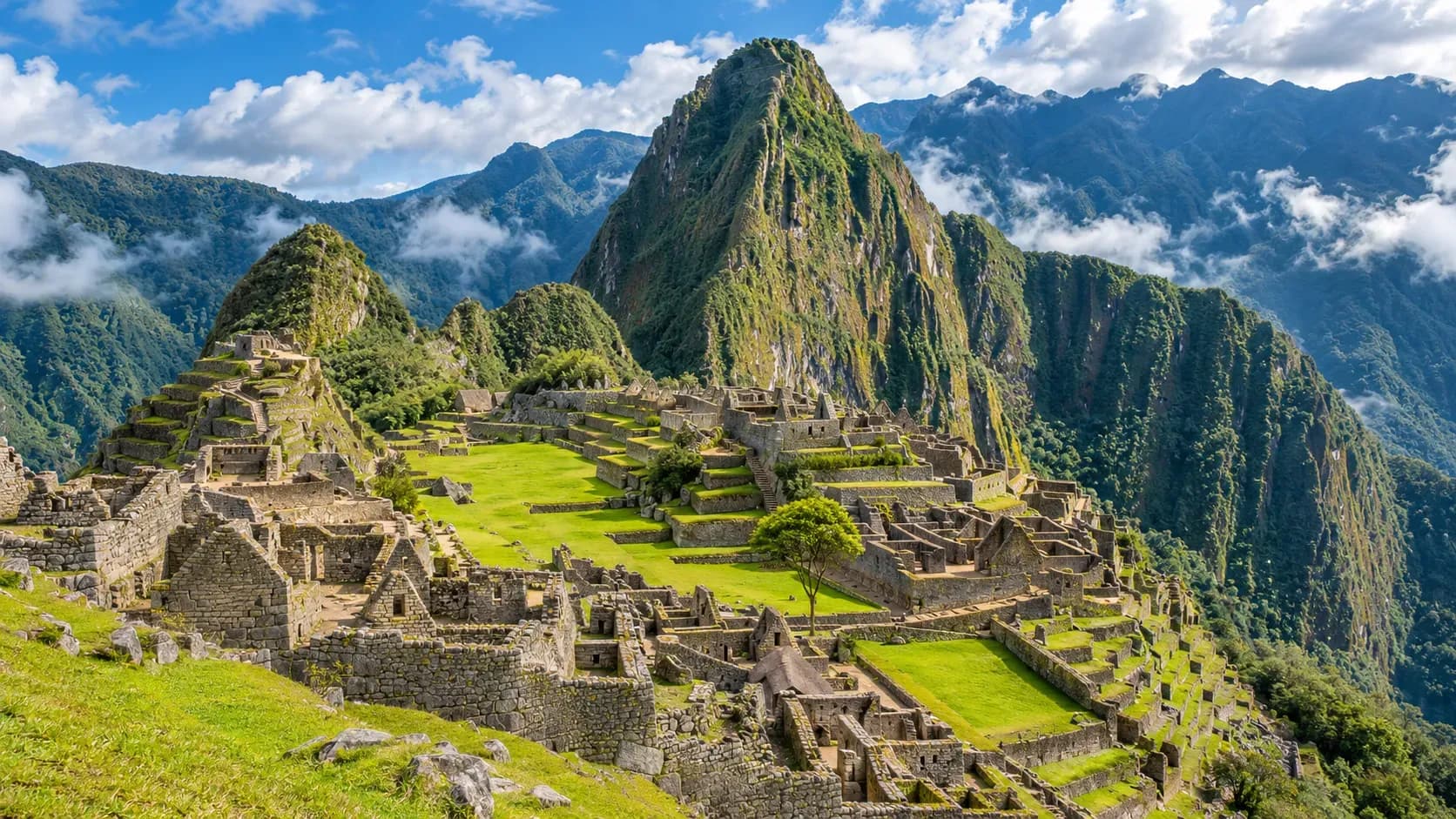
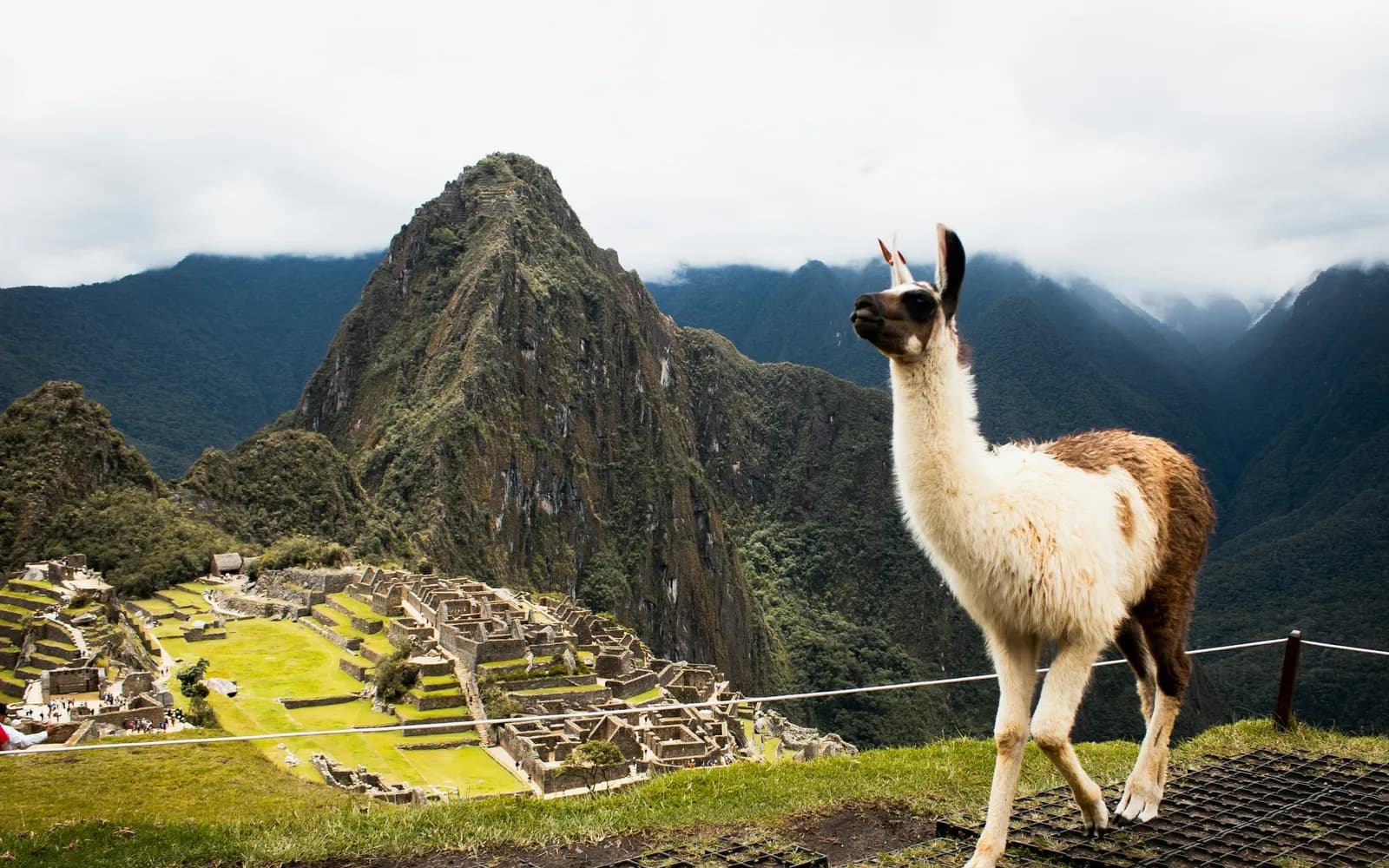
A 15th-century Inca citadel at about 2,430 metres on a ridge above the Urubamba valley, UNESCO-listed in 1983, with daily visitor limits.
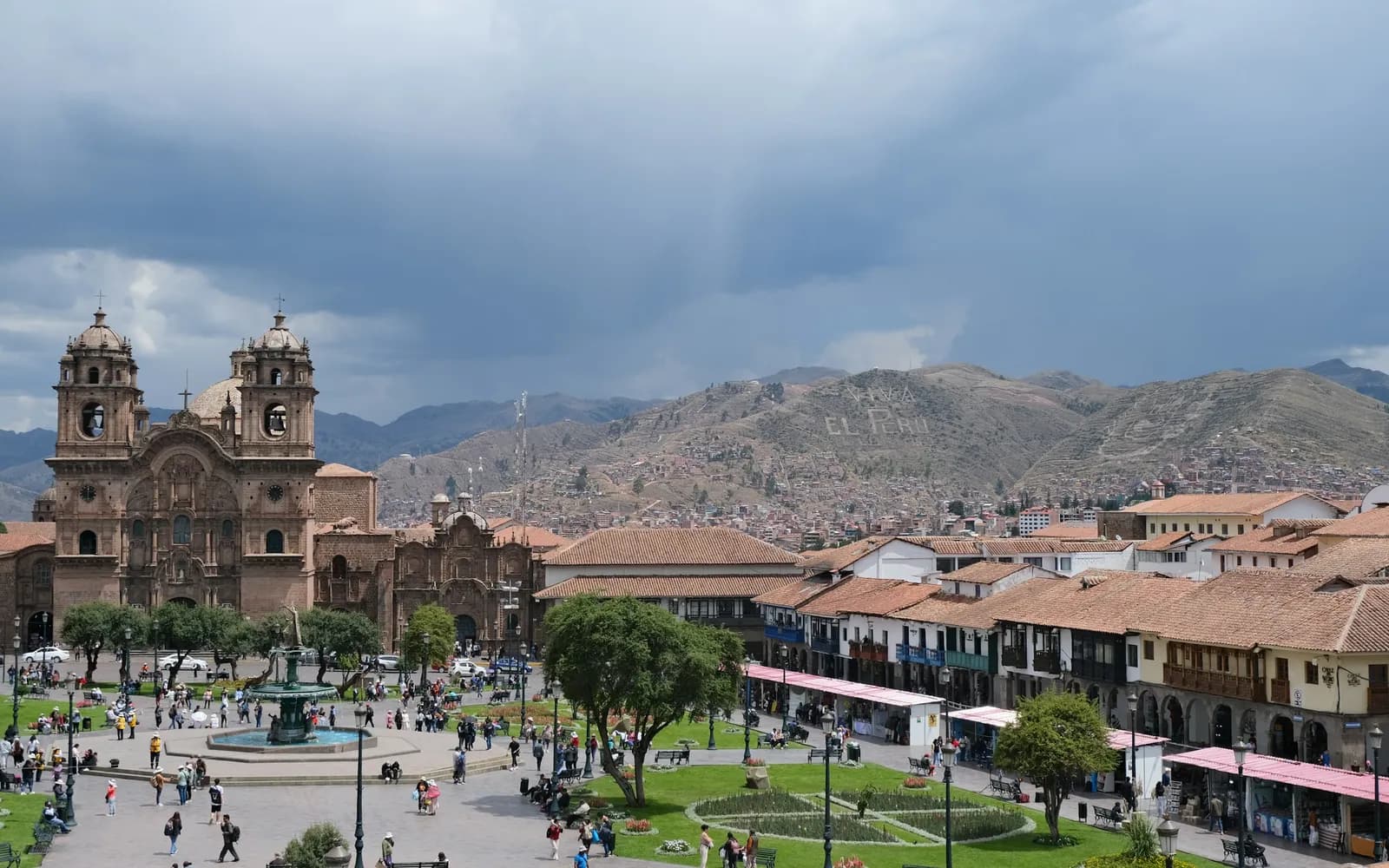
Inca · CitadelThe Inca capital until the Spanish conquest, at about 3,400 metres, with Inca walls at Qorikancha and Sacsayhuamán beside colonial churches.
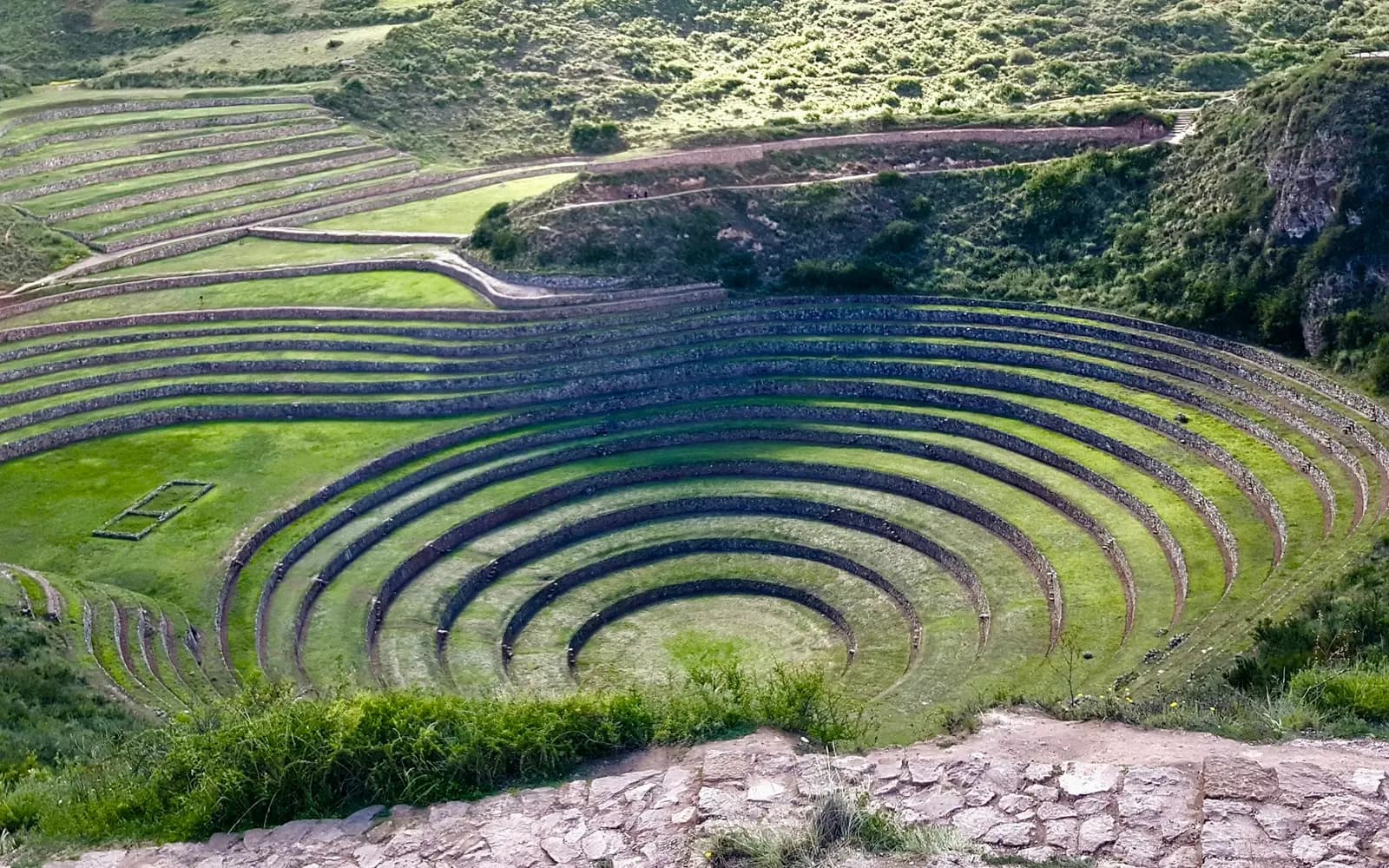
Inca · AltitudeA lower valley of Inca terraces, markets and villages between Pisac and Ollantaytambo, a gentler first stop for adjusting to altitude.
Terraces · VillagesA Pacific capital with a UNESCO-listed historic centre, clifftop Miraflores and Barranco, and a well-known food scene.
City · FoodA lake at 3,812 metres shared with Bolivia, often called the highest navigable lake, with Uros reed islands and Taquile near Puno.
Lake · IslandsA city of white volcanic sillar stone beneath Misti volcano, UNESCO-listed in 2000, and the usual base for the Colca Canyon.
Colonial · CanyonUse travel style to decide what deserves more time.
Guided routes on sale now that include Peru.
Hotels in Cusco and flights into Lima at live prices for your dates, booked and paid in one step. The rest of the route we plan with you.
Practical thinking for a better-paced first plan.
Cusco is at about 3,400 metres and Lake Titicaca above 3,800, while the Sacred Valley is lower. Many itineraries sleep in the Sacred Valley first, then Cusco, and keep the first day light.
Daily visitor numbers are limited and the site uses timed entry, so book the visit before fixing the rest of the route. Trains run to Aguas Calientes, the town below the ruins.
In the highlands the driest months are roughly May to September and the wettest December to March. Lima is sunny from about December to April and grey and damp from about May to November.
Entry rules depend on your passport and can change, so check them with official sources before booking. Lake Titicaca is a long day by road or train from Cusco, and Arequipa is usually reached by flight.
Month by month, region by region: the weather shapes the route.
May: BestCusco, Machu Picchu, the Sacred Valley and Lake Titicaca: driest from May to September, with clear days and cold nights, busiest in July and August. The wettest months are December to March, and the Inca Trail closes in February.
May: GoodLima is sunny and warm from about December to April, and grey and damp from about May to November.
 May: Good
Lodges near Puerto Maldonado: drier from about June to October, with high water and heavy rain from about December to May.
The essentials for Peru at a glance.
In the highlands around Cusco and Machu Picchu, May to September is driest, with July and August the busiest months. Lima is sunny from about December to April and grey and damp from about May to November.
About ten days covers Lima, Cusco, the Sacred Valley and Machu Picchu at a comfortable pace. Add three or four days for Lake Titicaca or Arequipa.
Entry rules depend on your passport and can change, so check them with Peru’s immigration authority or your nearest Peruvian consulate before you book.
Most visits pass without trouble, but read your government’s current travel advice before booking. Watch for petty theft in busy places and at night, keep valuables out of sight and use licensed taxis or booked transfers.
The currency is the sol. Cards work in larger hotels, restaurants and shops; carry cash for markets, small vendors and villages.
Domestic flights link Lima with Cusco and Arequipa, and trains run to Aguas Calientes, the town below Machu Picchu. Lake Titicaca is a long day by road or train from Cusco, or a flight to Juliaca, the nearest airport.
Use bottled or treated water rather than tap water. Cusco is at about 3,400 metres and Lake Titicaca above 3,800 metres, so many travellers sleep in the lower Sacred Valley first, keep the first day light and ask a doctor about altitude if they have health concerns.
We strongly recommend it, with cover for medical care and evacuation, especially if you plan to trek or travel at altitude. You can add travel insurance to your trip with us.
Travel insuranceAsk our travel planner, or write to us and a travel specialist will answer.
Start with your dates, pace, interests or budget, and get a route drafted from what we sell, with its prices, before you book anything.