
Altitude shapes the plan
Quito sits at about 2,850 metres and Cotopaxi's climbing refuge at nearly 4,900. Spend your first days at moderate heights before higher hikes, go slowly and ask a doctor about altitude if you have health concerns.
Destination
Colonial Quito, snow-capped volcanoes, market towns and waterfall valleys in the Andes, with the Galápagos Islands as a wildlife chapter reached by flight from the mainland.
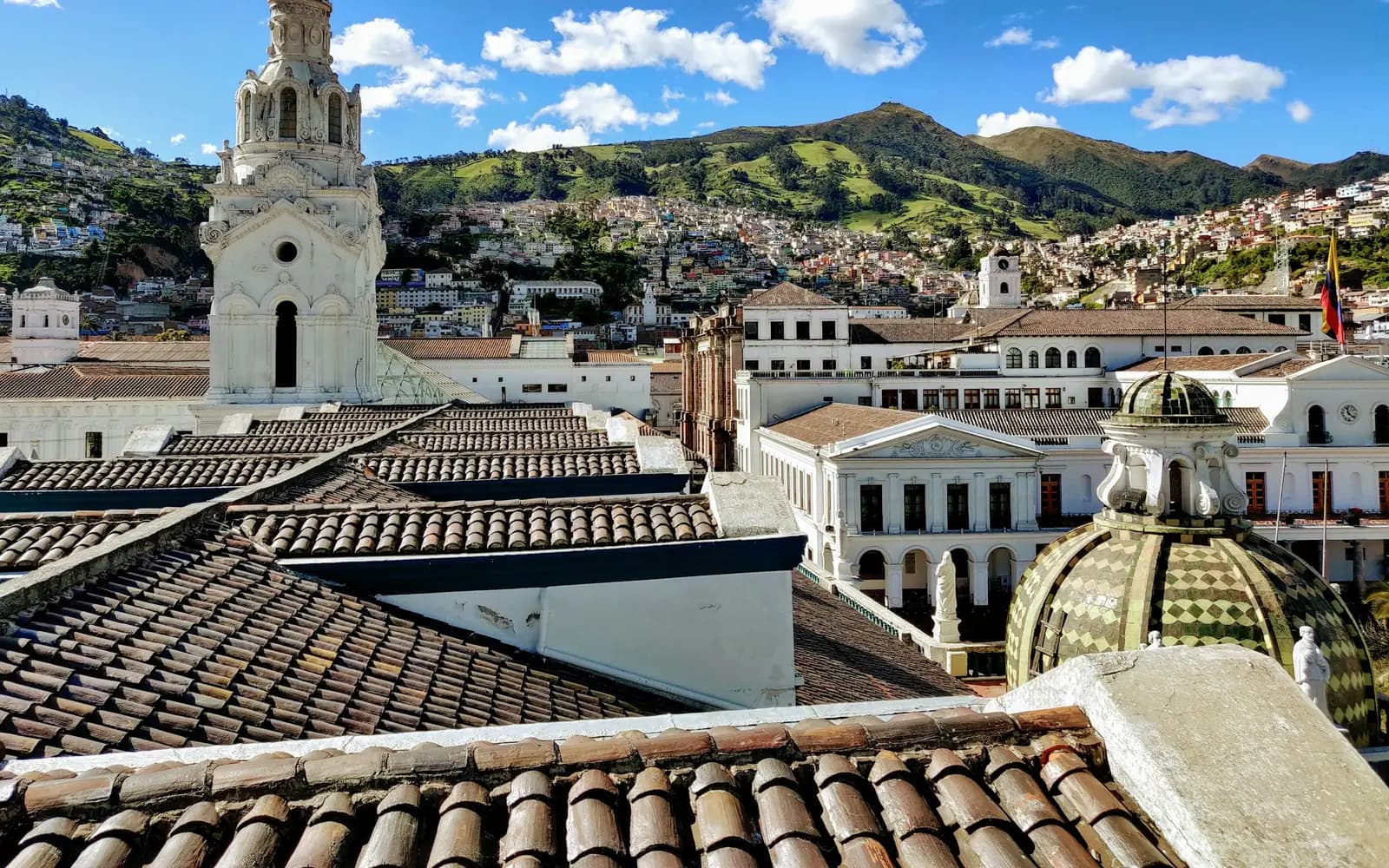 QuitoHistoric capital
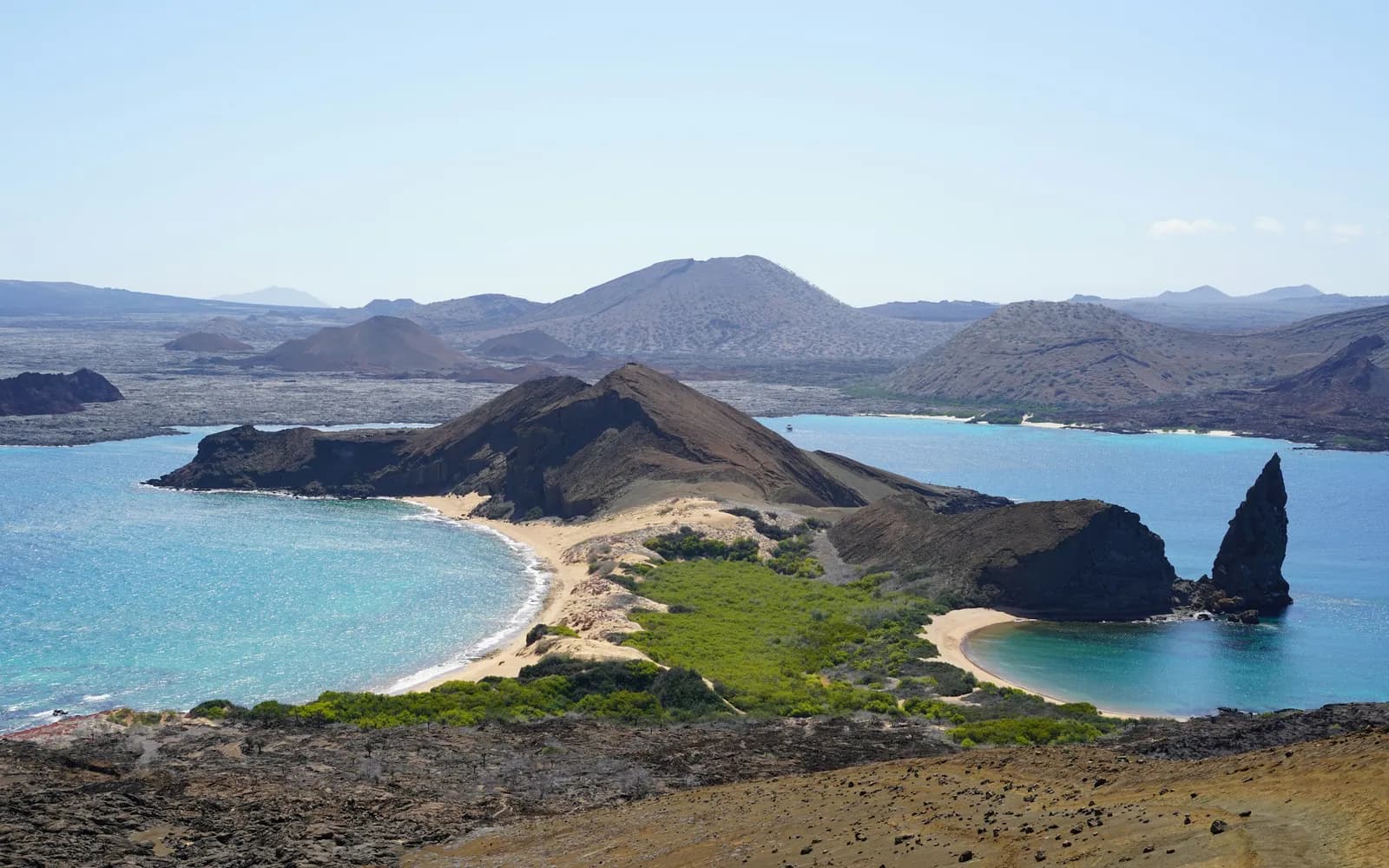 Galápagos IslandsWildlife islands
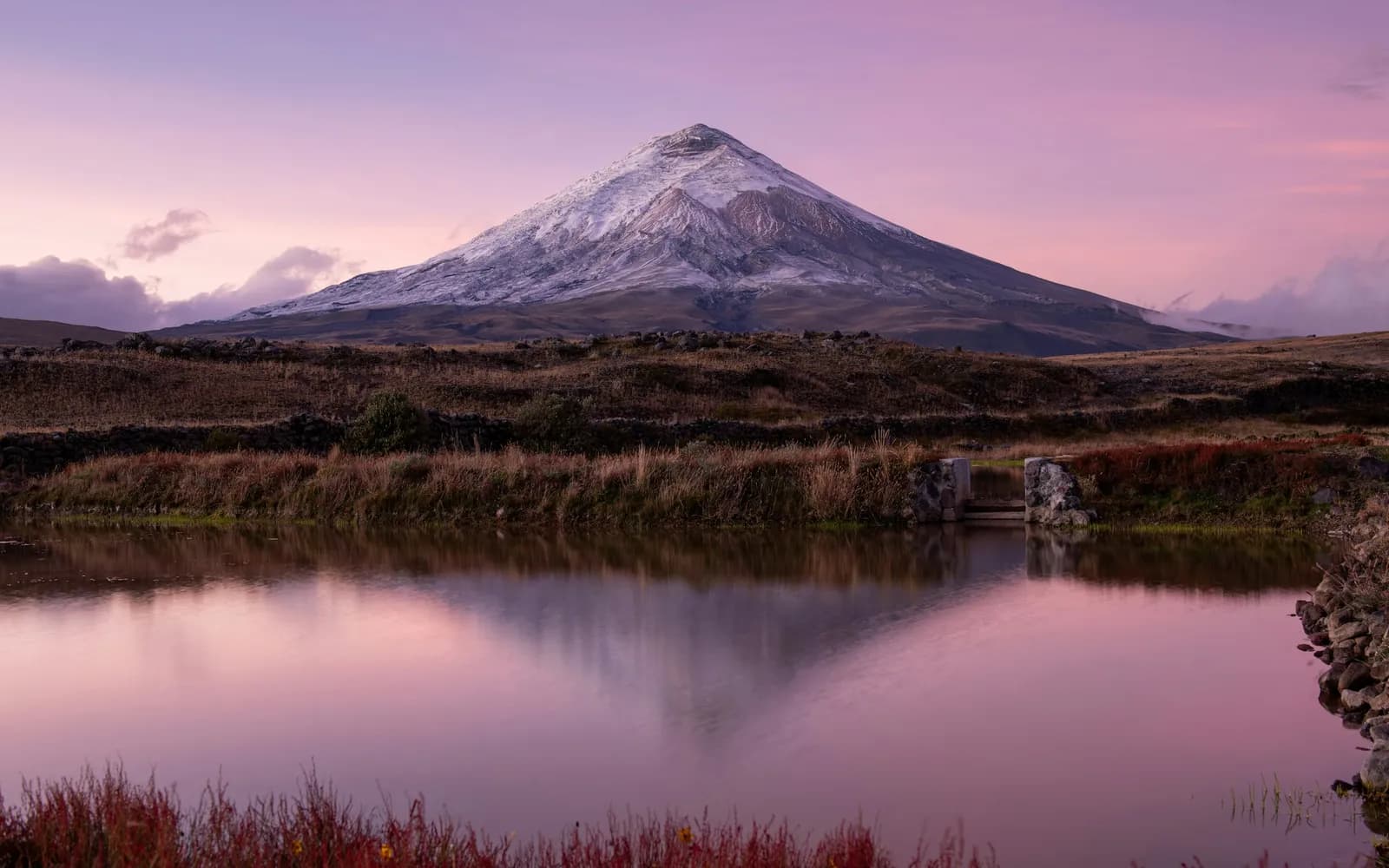 CotopaxiSnow-capped volcano
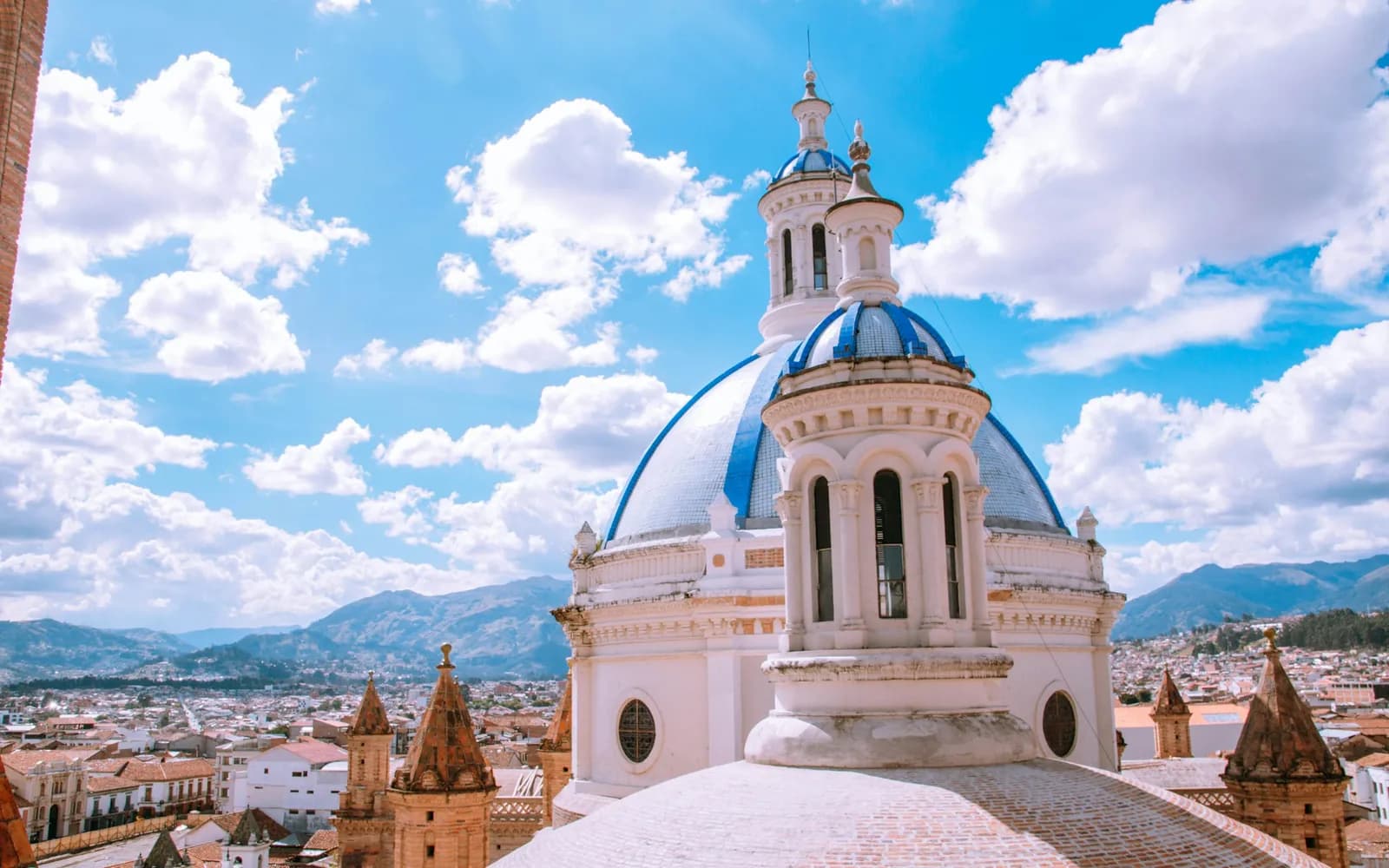 CuencaColonial city
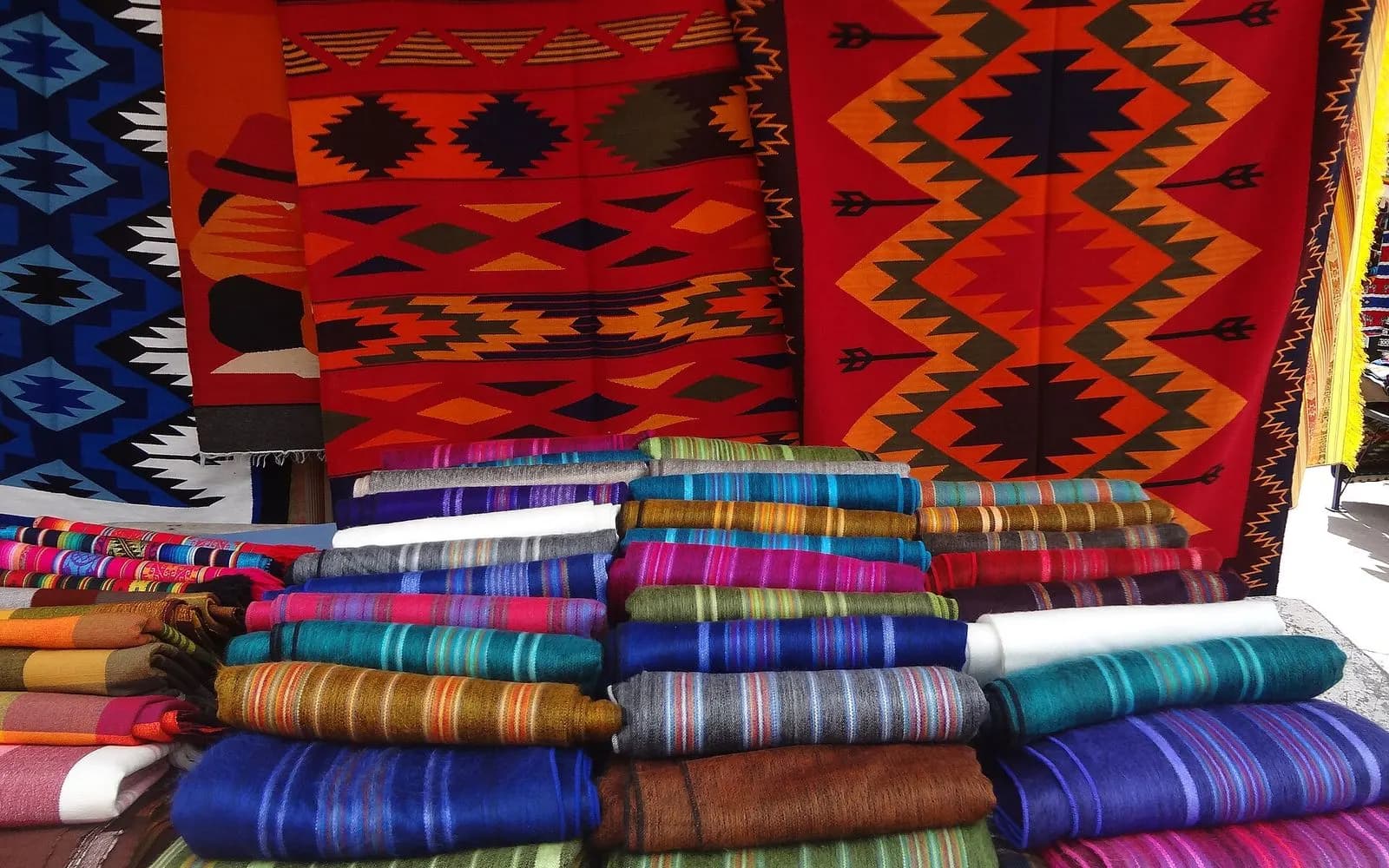 OtavaloMarket town
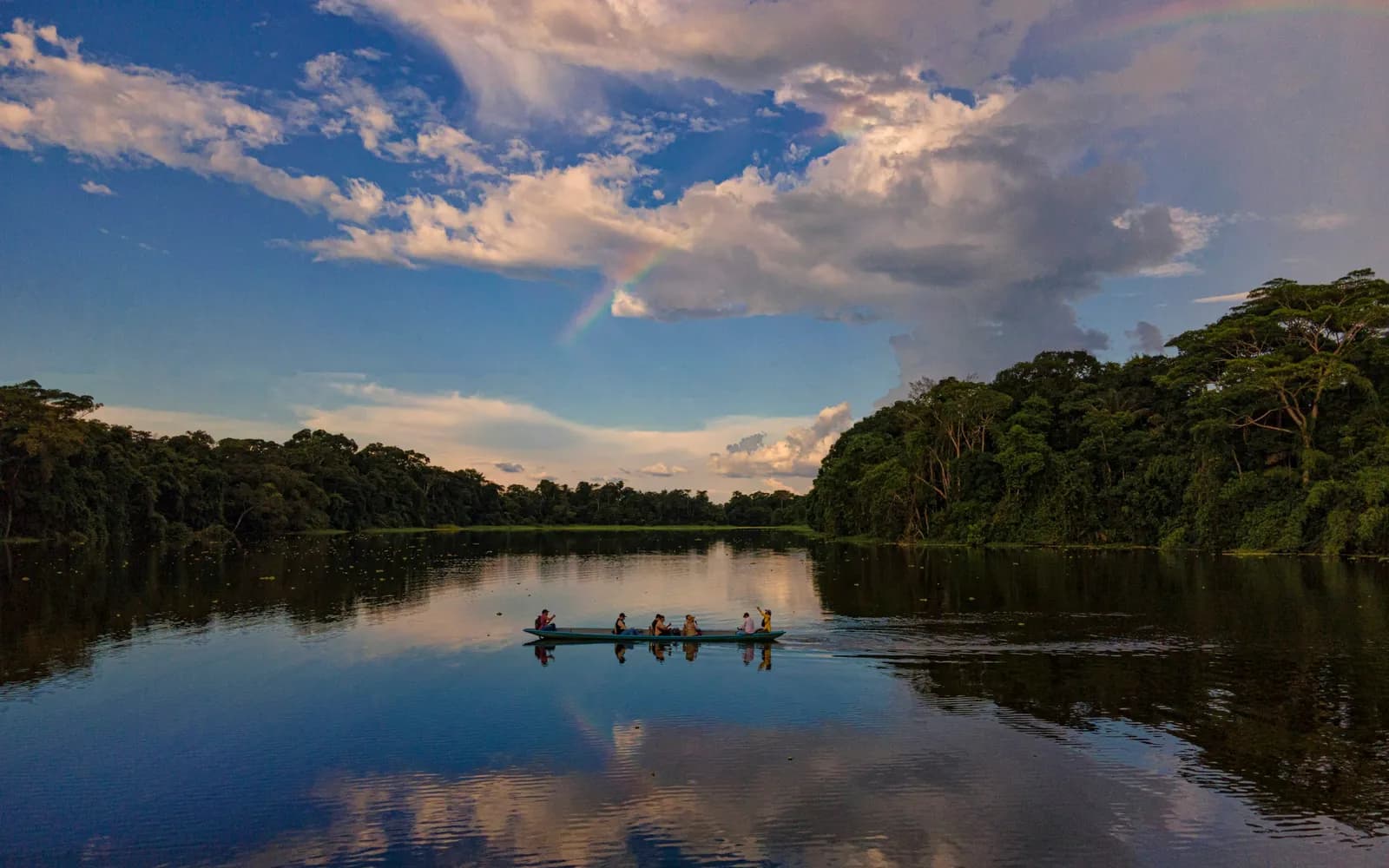 Ecuadorian AmazonRainforest lodges
Handpicked places that create different chapters of the same country.
A high-altitude capital at about 2,850 metres, whose colonial historic centre was among the very first UNESCO World Heritage Sites, listed in 1978.
Capital · HeritageA protected Pacific archipelago, UNESCO-listed in 1978, where giant tortoises, marine iguanas and blue-footed boobies can be seen close up.
Wildlife · IslandsA snow-capped cone of 5,897 metres, among the highest active volcanoes in the world, about 50 km south of Quito.
Volcano · PáramoA colonial city at about 2,540 metres, UNESCO-listed in 1999, with the blue domes of its New Cathedral and the Tomebamba river.
Colonial · RiverA highland town known for its Saturday market of Otavalo textiles, set among volcanoes and near Laguna Cuicocha.
Markets · TextilesRainforest a short flight from Quito, with lodges on the blackwater lagoons of Cuyabeno and in Yasuní, one of the most biodiverse places on earth, explored by canoe with local guides.
Rainforest · WildlifeUse travel style to decide what deserves more time.
Hotels in Quito and flights into it at live prices for your dates, booked and paid in one step. The rest of the route we plan with you.
Practical thinking for a better-paced first plan.
Quito sits at about 2,850 metres and Cotopaxi's climbing refuge at nearly 4,900. Spend your first days at moderate heights before higher hikes, go slowly and ask a doctor about altitude if you have health concerns.
The islands lie far out in the Pacific, reached by flight from the mainland, and national park rules shape where you can land and how. Decide between a boat-based and an island-based stay early.
The Andes are driest roughly June to September, with showers more likely the rest of the year. In the Galápagos the warm season runs about December to May and the cooler, misty season about June to November.
Entry rules depend on your passport and can change, so check them with official sources before booking. Volcano parks such as Cotopaxi can limit access when activity rises, so confirm before you go.
Month by month, region by region: the weather shapes the route.
June: BestQuito, Cuenca, Otavalo and Cotopaxi: driest from June to September, with the clearest skies in July and August. Showers are more likely the rest of the year, and February to April is usually the wettest spell.
 June: Best
Guayaquil and the beaches: hot and rainy from January to April, then milder and drier from about May.
June: GoodRainforest lodges east of the Andes: hot and humid all year; showers are possible on any day, with a little less rain from about August.
June: GoodWarm, sunny seas from about December to May; cooler, windier water with a burst of marine life from June to November. Both seasons suit a visit.
The essentials for Ecuador at a glance.
The Andes, including Quito, Cuenca and Cotopaxi, are driest from June to September. The Galápagos are warm and calm from about December to May and cooler with more marine life from June to November, while the Amazon is hot and humid all year.
About ten days covers Quito, the volcano country, Cuenca and a stay in the Amazon at a comfortable pace. Allow at least four or five days more for the Galápagos, which are a separate flight and a trip in their own right.
Entry rules depend on your passport and can change, so check them with Ecuador’s foreign ministry or your nearest Ecuadorian consulate before you book. The Galápagos have their own entry requirements on top of the mainland’s, so check those too.
Most visits pass without trouble, but read your government’s current travel advice before booking. In Quito and Guayaquil take normal city precautions against petty theft, keep valuables out of sight and use licensed taxis or booked transfers.
Ecuador uses the US dollar, so there is no currency to change. Cards work in hotels, restaurants and shops in the cities; carry small notes for markets, taxis and rural areas, as cash machines can have limits.
Drivers and buses link the towns of the Andes, though mountain roads are slow, and a domestic flight saves a long road day between Quito and Cuenca. The Galápagos are reached by flight from Quito or Guayaquil to Baltra or San Cristóbal.
Drink bottled or filtered water rather than tap water. Quito stands at about 2,850 metres, so keep the first day gentle, drink plenty of water and go slowly on higher hikes such as Cotopaxi; ask a doctor if you have health concerns.
We strongly recommend it, with cover for medical care and evacuation, especially for the Galápagos and mountain hikes, where help can be far away. You can add travel insurance to your trip with us.
Travel insuranceAsk our travel planner, or write to us and a travel specialist will answer.
Start with your dates, pace, interests or budget, and get a route drafted from what we sell, with its prices, before you book anything.