At a glance
- Time needed
- Ten days to two weeks
- Best season
- December to March
- Currency
- Colombian peso (COP)
- Bogotá altitude
- About 2,600 m
- Getting around
- Domestic flights between cities
In this article8 sections
Colombia’s classic first route links three cities that could hardly be more different. Bogotá is a highland capital, cool and grey-skied, full of museums. Medellín lies in a green valley where the weather is mild all year. Cartagena is a walled colonial port on the Caribbean, hot, colourful and slow in the afternoons.
The Andes run through the middle of the country, so the roads between the cities are long and mountainous. Short domestic flights do the work instead, and ten days gives each city its due.
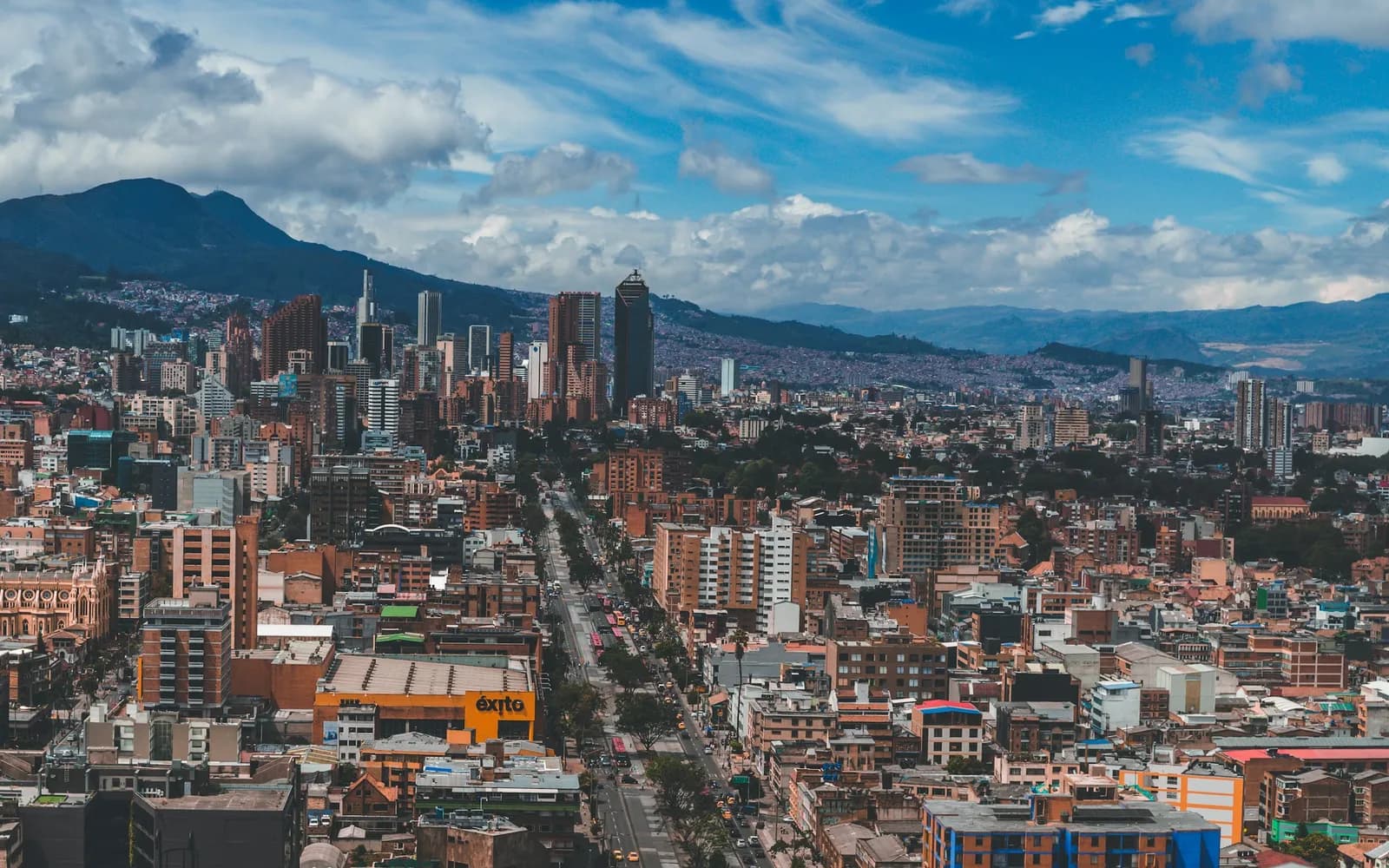
Bogotá: the capital at 2,600 metres
Bogotá sits at about 2,600 metres on a high plateau, so take the first afternoon gently. The old quarter of La Candelaria holds the Plaza de Bolívar, colonial churches and two of the city’s best museums: the Gold Museum, with its thousands of pre-Columbian pieces, and the Botero Museum. A cable car or funicular climbs to the sanctuary of Monserrate for the view over the whole city.
Outside the city, the Salt Cathedral of Zipaquirá is a church carved inside a salt mine, its nave lit deep underground, and the lake of Guatavita is where the legend of El Dorado began. Days here are mild and nights cool, with showers in any month, so pack layers.
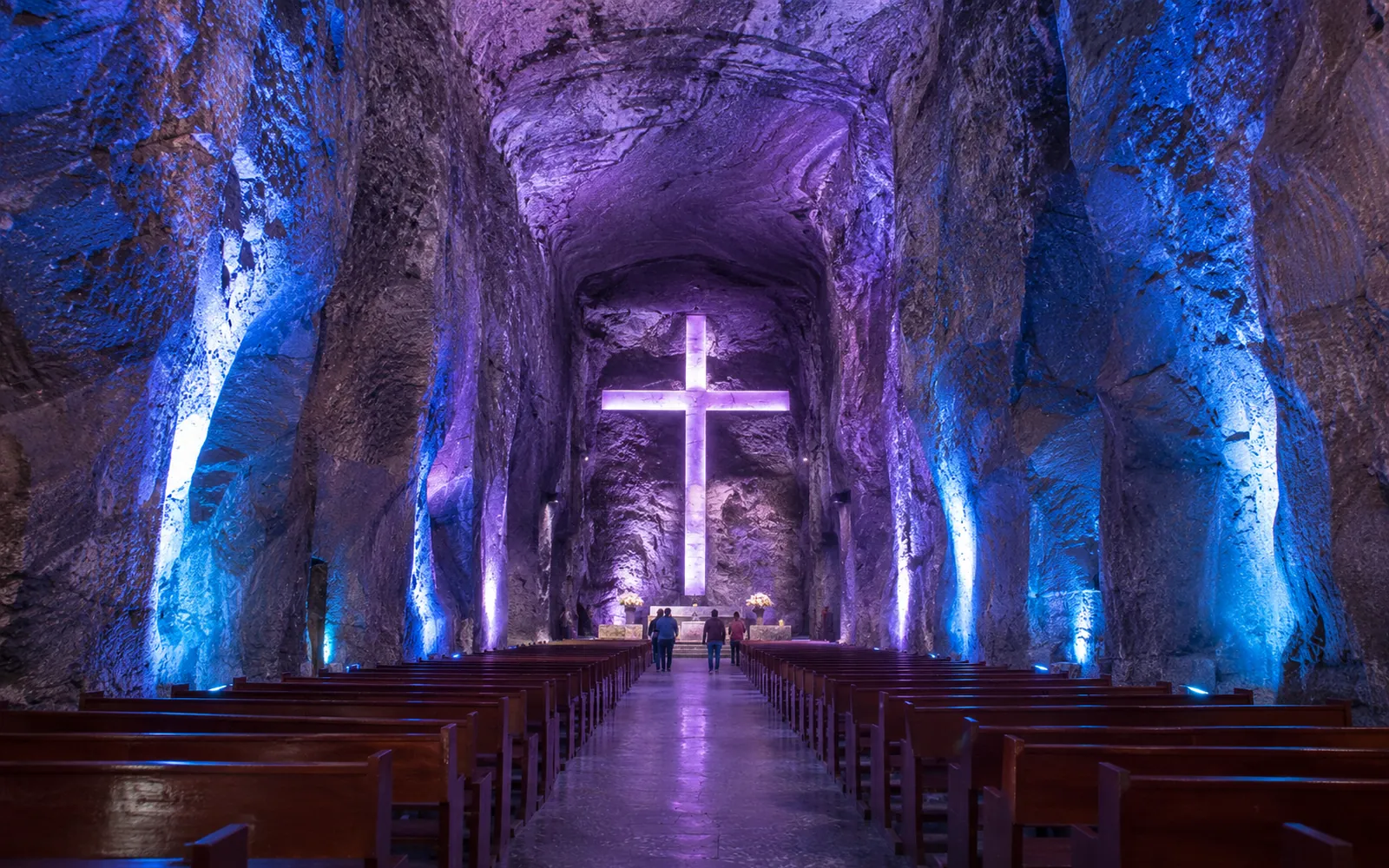 Day outThe Salt Cathedral of Zipaquirá from BogotáAbout 6 hours · BogotáFrom $90 per personSee the day
Medellín: the city of eternal spring
Medellín earned its nickname from a climate that stays mild through the year. The city has changed greatly in a generation, and the cable cars that link its hillside neighbourhoods to the metro are part of the story. Comuna 13, with its outdoor escalators and street art, is best seen with a local guide who can tell you what the walls mean.
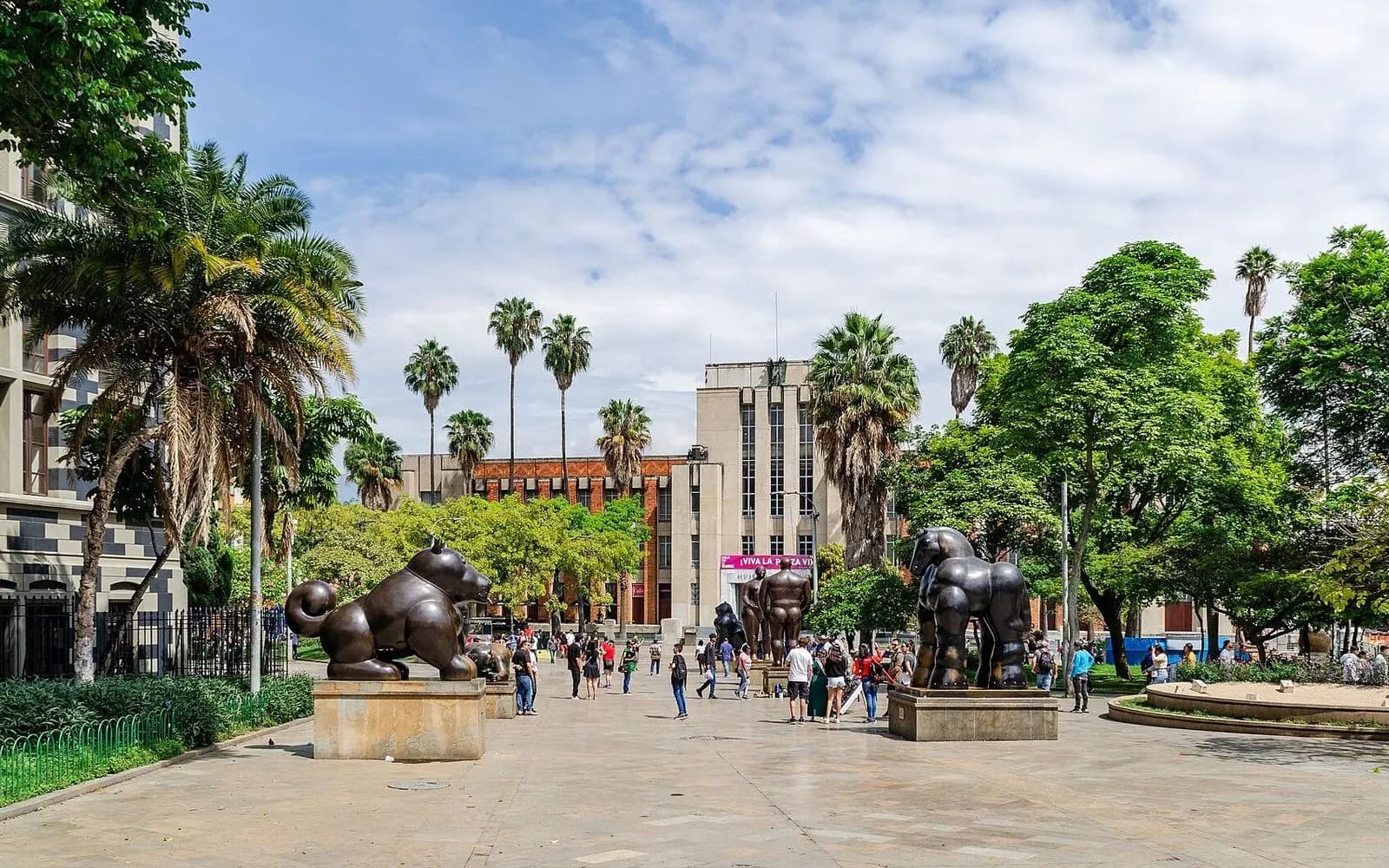
In the centre, Plaza Botero fills a square with the artist’s round bronze figures. A day out to Guatapé brings you to the great rock of El Peñol, with a stairway to the top and a view over a reservoir full of islands, and to a small town painted in bright colours.
Cartagena: the walled city on the Caribbean
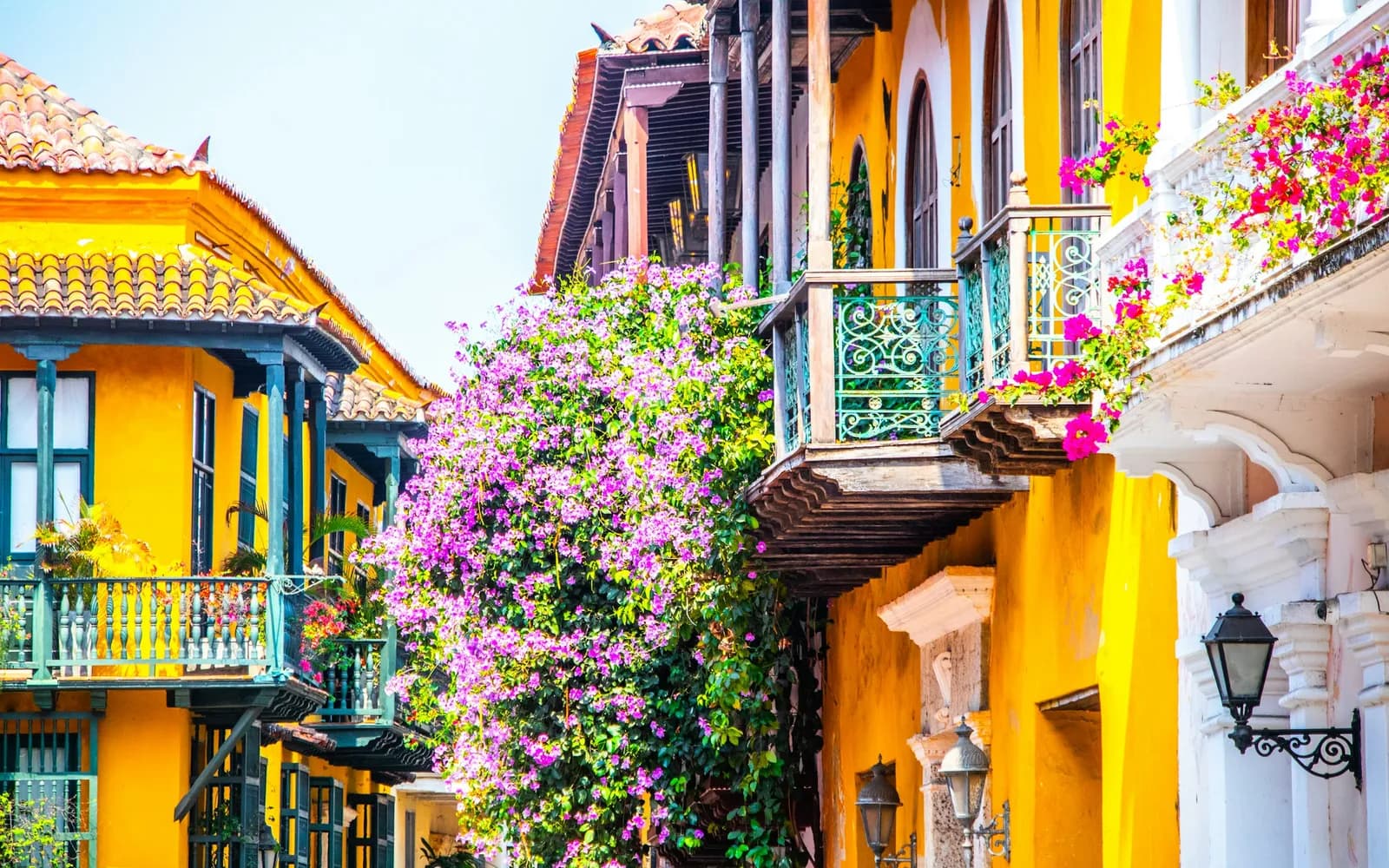
Cartagena’s old town lies inside stone walls built to keep out pirates, and it is one of the most beautiful colonial cities in the Americas: plazas, churches and streets of balconies heavy with bougainvillea. Getsemaní, just outside the walls, is livelier, and the fortress of San Felipe de Barajas guards the land approach.
The heat is constant, so walk early and late and rest in the middle of the day, as the city does. A boat to the Rosario Islands gives a day of clear water and white sand off the coast.
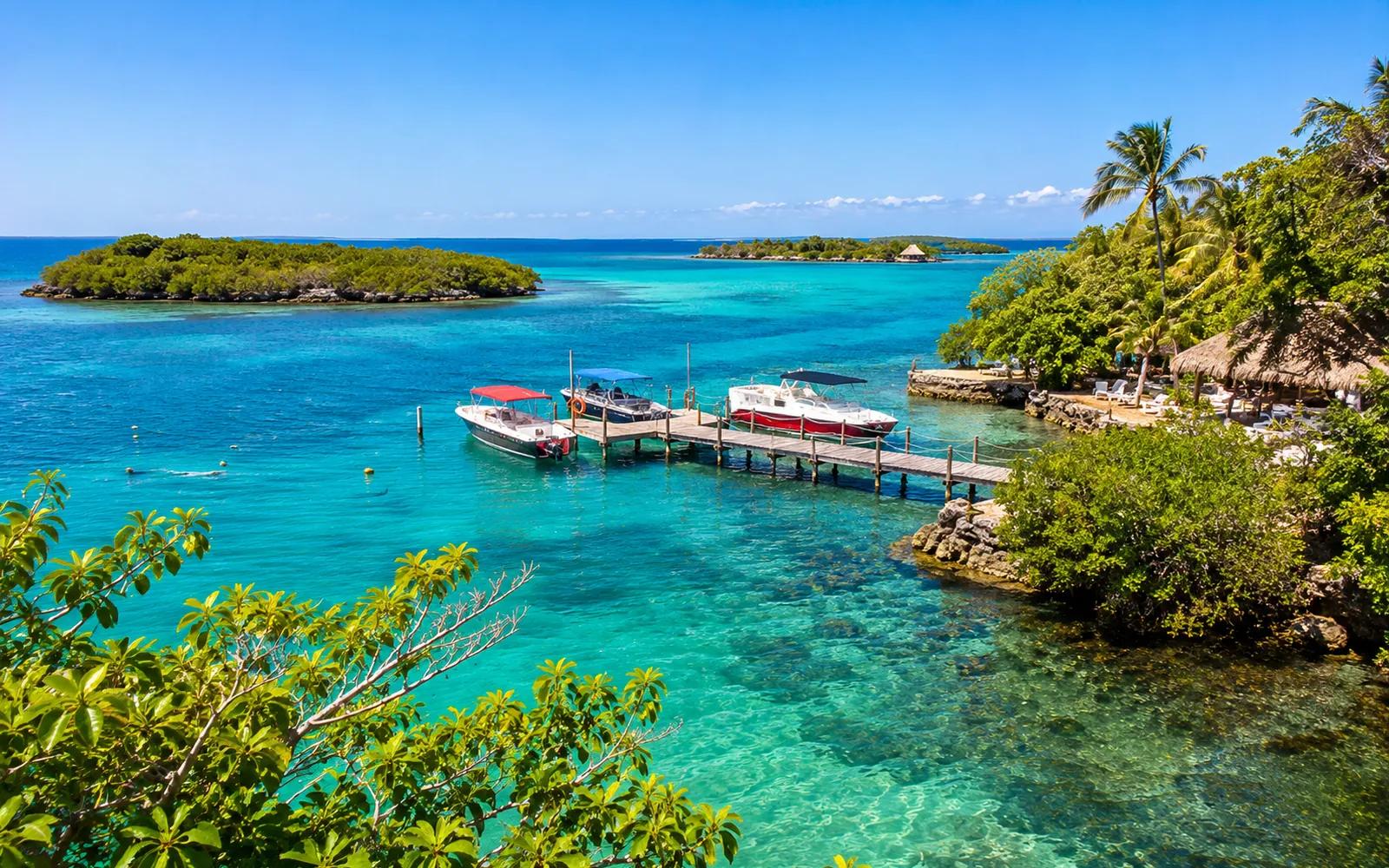 Day outThe Rosario Islands by Boat, with Lunch and SnorkellingAbout 8 hours · CartagenaFrom $78 per personSee the day
If you have more time: the Coffee Region
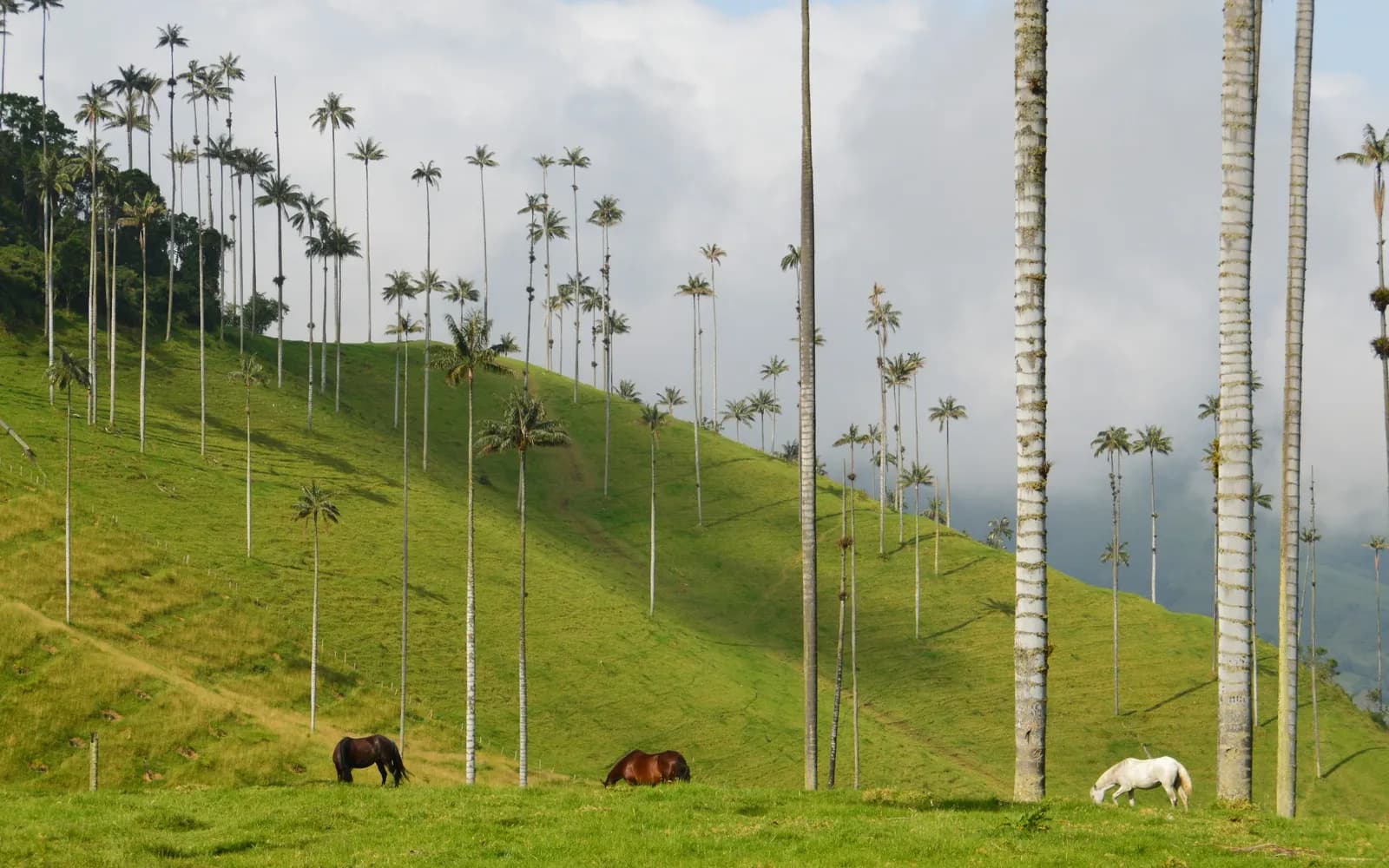
Between Bogotá and Medellín, the Coffee Region is green, hilly and quiet. Stay on a coffee farm, walk in the Cocora Valley among the tall wax palms, Colombia’s national tree, and spend an evening in the coloured town of Salento. Short flights reach the region from both cities.
Practical points
A few things are worth settling before you book.
- Entry: many passports need no visa for a tourist stay in Colombia. Check the rules for your own passport, or ask us through our visa page.
- Money: the Colombian peso. Cards are widely accepted in the cities; carry pesos for small shops, markets and taxis.
- Tipping: restaurants often add a voluntary service charge of around 10 per cent to the bill.
- Getting around: fly between cities; in town, use taxis called through an app or arranged by your hotel.
- City sense: as in any large city, keep your phone and valuables out of sight in crowded places, and ask your hotel about any area you are unsure of.
- Insurance: worth holding, with medical cover for altitude in Bogotá and activities on the coast.
 InsuranceTravel medical insuranceCover valid across Latin America, Cuba included, priced for your dates and ages.From $3.70 per person per dayPrice your cover
Colombia with Ecuador and the Galápagos
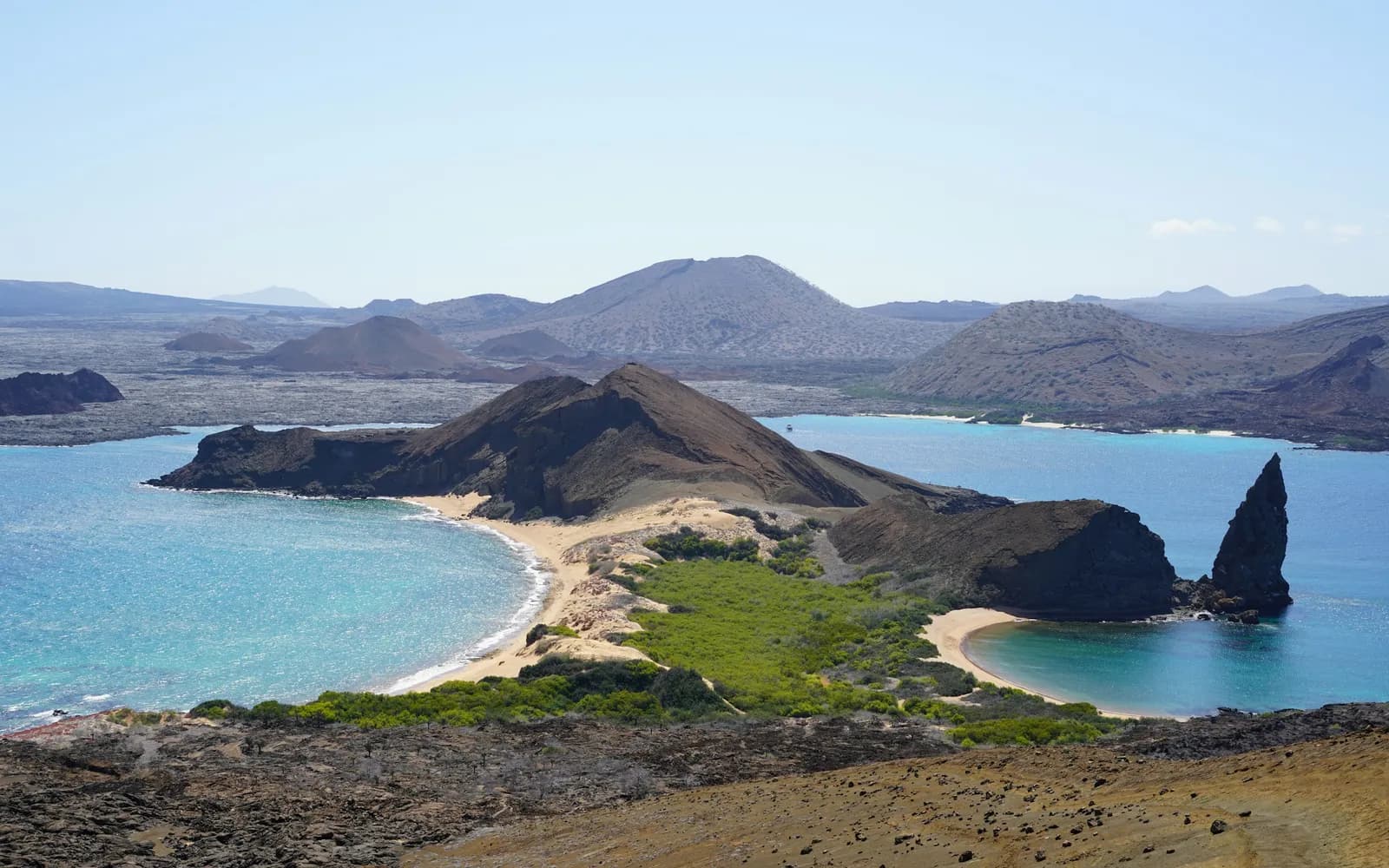
Our From El Dorado to the Galápagos journey follows this route for its first week, with the Salt Cathedral and Guatavita from Bogotá, Comuna 13 and Guatapé from Medellín, and two days in Cartagena. It then flies to Quito and the Otavalo market and ends in the Galápagos Islands, fourteen days in all.
 New journeyFrom El Dorado to the Galápagos14 days · 13 nights · Colombia · EcuadorFrom $7,524 per adultSee the journey
Plan it with us
What we arrange for a trip like this one. Each is booked and paid in one step, and priced in full before you pay.
- New journeyFrom El Dorado to the Galápagos14 days · 13 nights · Colombia · EcuadorFrom $7,524 per adultSee the journey
- Day outThe Salt Cathedral of Zipaquirá from BogotáAbout 6 hours · BogotáFrom $90 per personSee the day
- Day outThe Rosario Islands by Boat, with Lunch and SnorkellingAbout 8 hours · CartagenaFrom $78 per personSee the day
 FlightsFlights for your datesFlights worldwide, booked automatically once your payment is confirmed.Search flights
 HotelsHotels for your datesSearch by city or hotel and see the price for your dates and party before you pay.Search hotels
- InsuranceTravel medical insuranceCover valid across Latin America, Cuba included, priced for your dates and ages.From $3.70 per person per dayPrice your cover
Questions
How many days do I need for Colombia?
Ten days covers Bogotá, Medellín and Cartagena at a comfortable pace. Two weeks lets you add the Coffee Region or the Caribbean coast beyond Cartagena.
Is Colombia a good choice for a first trip to South America?
Yes. Bogotá, Medellín and Cartagena are among the most visited cities on the continent. Take the ordinary care you would in any large city, and check your own government’s travel advice before you go.
When is the best time to visit Colombia?
December to March is the driest time in the Andes and on the Caribbean coast. July and August are also drier in the Andes. Cartagena is hot in every month.
Do I need a visa for Colombia?
Many passports need no visa for a tourist stay. The rules depend on your passport, so check them before you book or ask us through our visa page.