At a glance
- Time needed
- Ten days
- Best season
- December to April
- Currency
- Costa Rican colón (CRC)
- Airports
- San José (SJO) and Liberia (LIR)
- Getting around
- Private transfers or a hire car
In this article7 sections
Costa Rica packs volcanoes, rainforest, cloud forest and two coasts into a country you could cross in a day on a straight road. The roads are not straight, though. They climb, wind and slow down in the rain, and a drive that looks short on the map can take most of an afternoon.
The answer is to choose a few bases and stay long enough in each to go out early, when the wildlife is about and the skies are clearest. Ten days fits three of them well: Arenal, Monteverde and the coast.
Days one to four: Arenal and La Fortuna
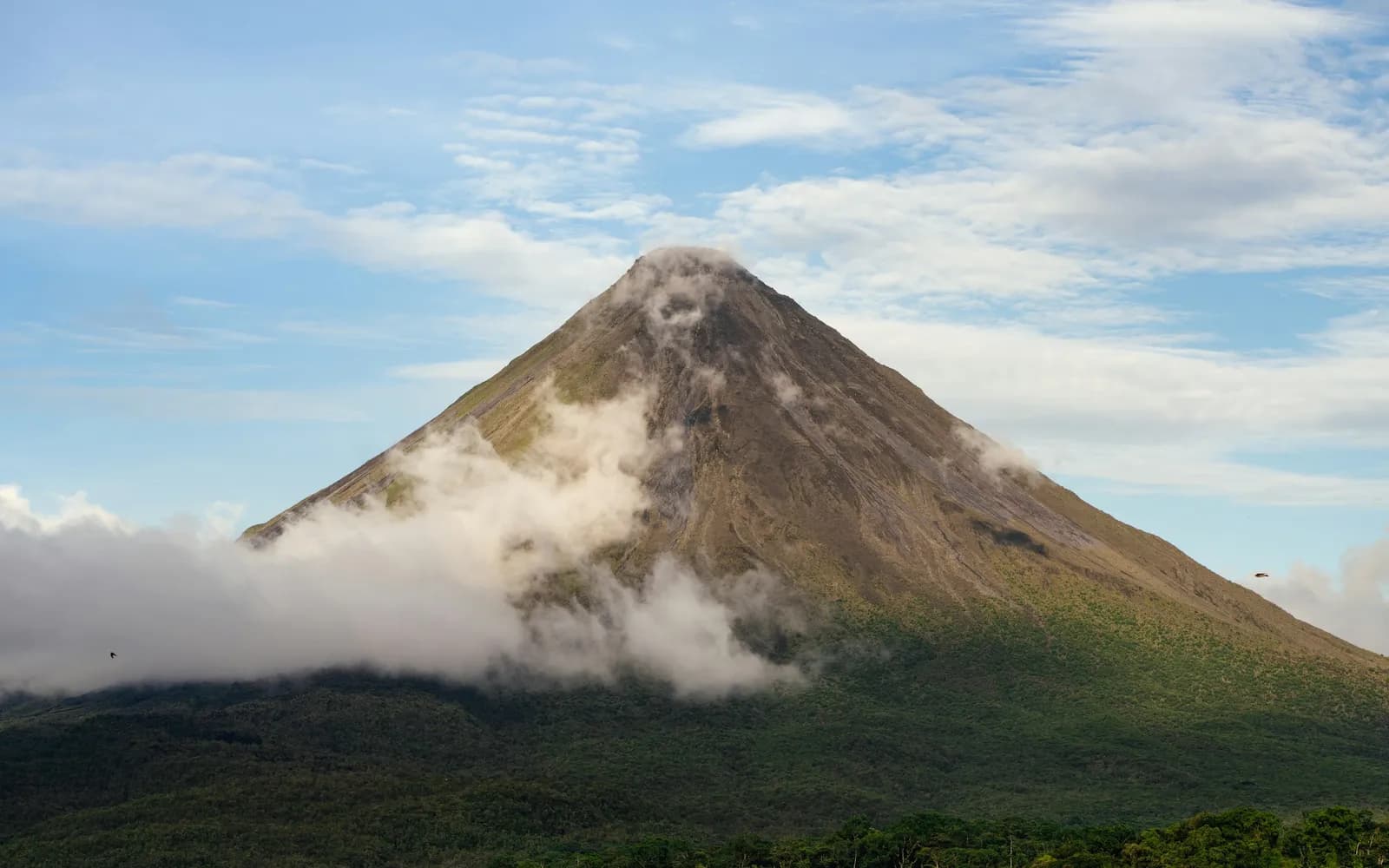
Most trips start in San José and head north-west to La Fortuna, the town below the Arenal volcano. Its near-perfect cone has been quiet since 2010, and the country around it is the most varied in a small area: lava trails in the national park, hanging bridges through the rainforest canopy, the La Fortuna waterfall and hot springs fed by the volcano’s heat.
The summit is often wrapped in cloud, and the early morning is usually the best time to see it whole. Three or four nights give you the volcano on a clear day and time for the springs on a wet one.
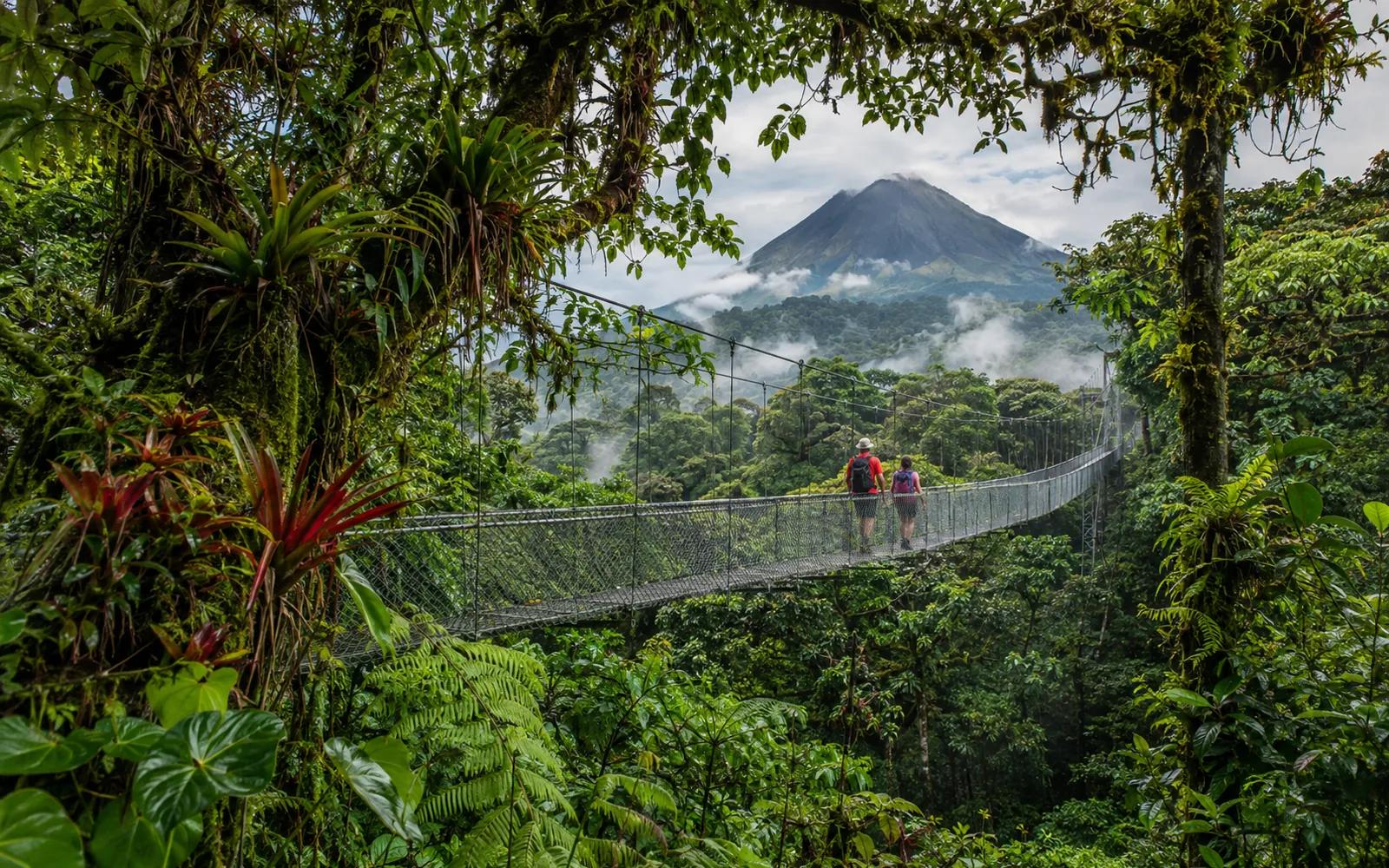 Day outArenal: Hanging Bridges, the Volcano Trails and Hot SpringsAbout 9 hours · La FortunaFrom $258 per personSee the day
Days five to seven: Monteverde and the cloud forest
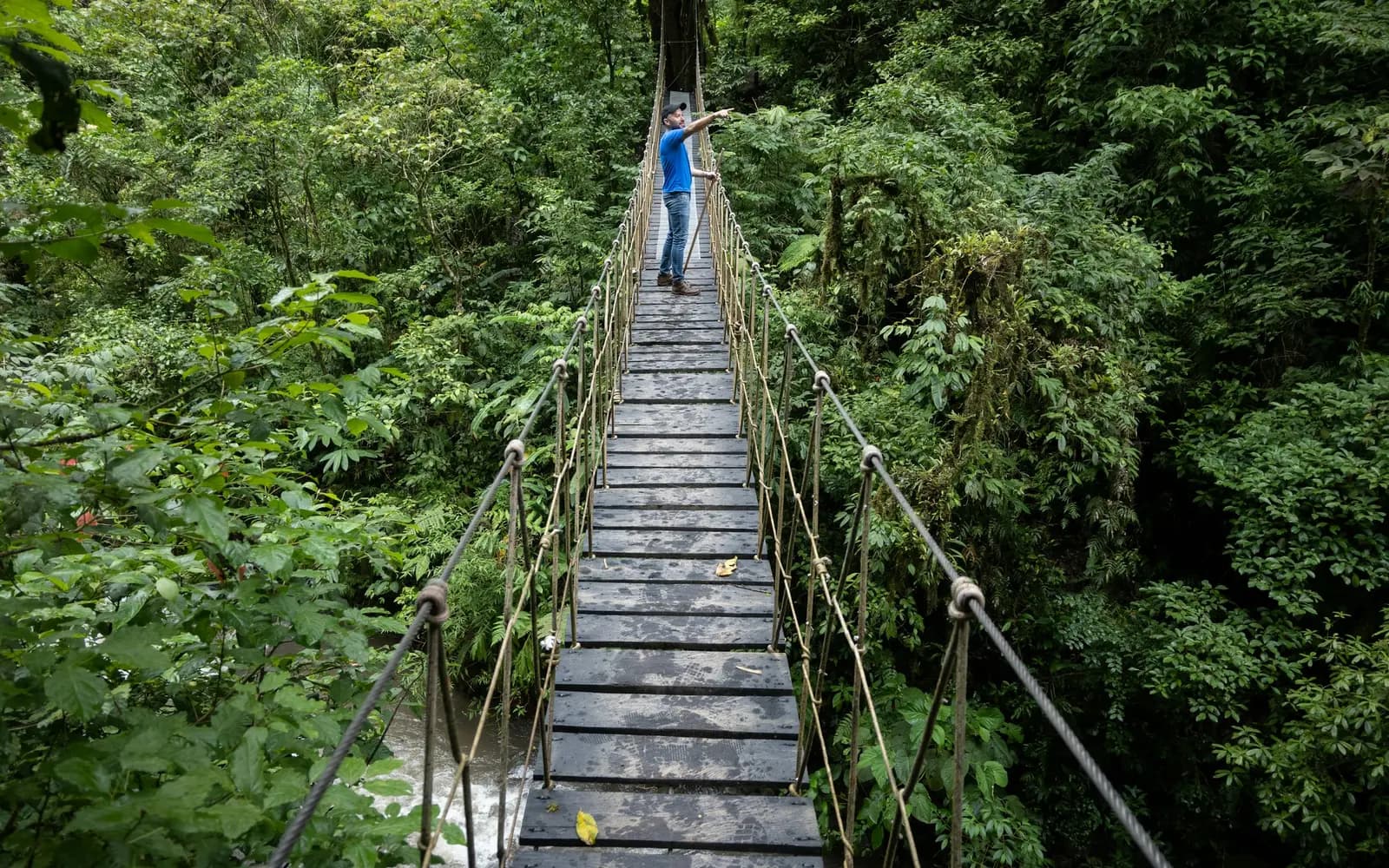
From Arenal the road runs around the lake and climbs into the mountains of Monteverde, where the forest lives in the clouds. The air is cool and often misty, the trees are thick with moss, orchids and bromeliads, and the reserves are crossed by trails and hanging bridges at the height of the canopy.
A guided walk at dawn finds far more than you would alone, from hummingbirds to, with luck, the resplendent quetzal. A night walk shows another forest altogether, and the coffee farms on the slopes below make a good half day. Bring a warm layer: Monteverde is noticeably cooler than the lowlands.
Days eight to ten: the coast
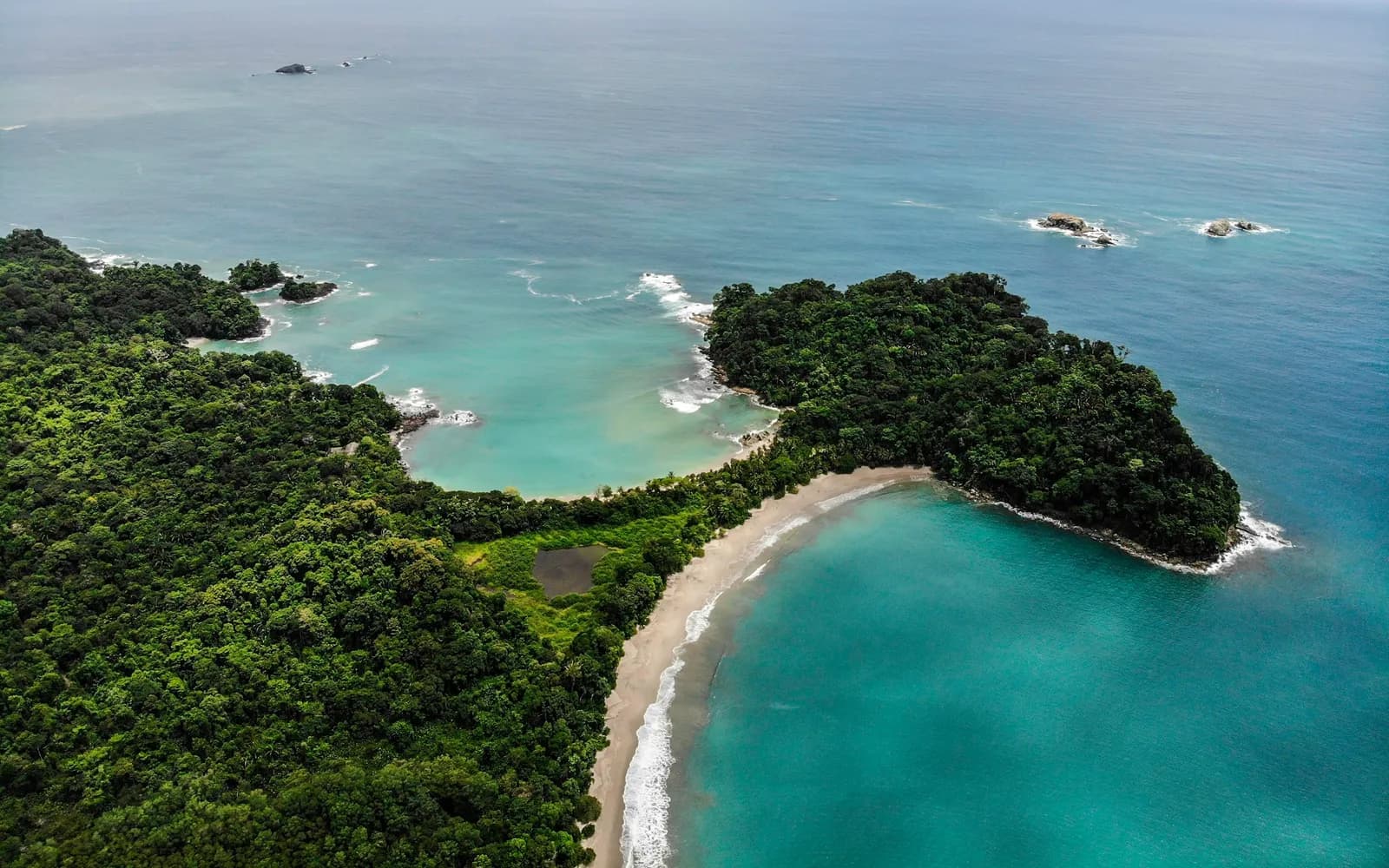
For the last days, choose one coast. On the Pacific, Manuel Antonio is where the rainforest runs down to the beach, with monkeys and sloths in the trees above the sand. Further north, Guanacaste is drier and sunnier, with long beaches and sunsets over the ocean, and Liberia airport is close by for the flight home.
On the Caribbean side, Tortuguero is a village reached by boat through canals, best known for the turtles that nest on its beach in season. It feels further away because it is, so it suits a slower trip.
Practical points
A few things are worth settling before you book.
- Entry: many passports need no visa for a tourist stay in Costa Rica. Check the rules for your own passport, or ask us through our visa page.
- Money: the Costa Rican colón. US dollars and cards are widely accepted; change is often given in colones.
- Driving: roads are slow and winding, and some need a four-wheel drive. Avoid driving after dark, or let us arrange private transfers between bases.
- Wildlife: go out early and go with a guide; they carry telescopes and know where to look.
- Packing: light rain gear in any season, a warm layer for Monteverde and good walking shoes.
- Insurance: worth holding, above all if you plan rafting, ziplines or other outdoor activities.
 InsuranceTravel medical insuranceCover valid across Latin America, Cuba included, priced for your dates and ages.From $3.70 per person per dayPrice your cover
Costa Rica in a longer journey
Costa Rica is also one chapter of our Central America: From the Maya to the Canal, a fourteen-day journey that starts in Antigua Guatemala and Lake Atitlán, crosses to Flores and Tikal, visits El Salvador, spends two days at La Fortuna below Arenal and ends at the canal in Panama City.
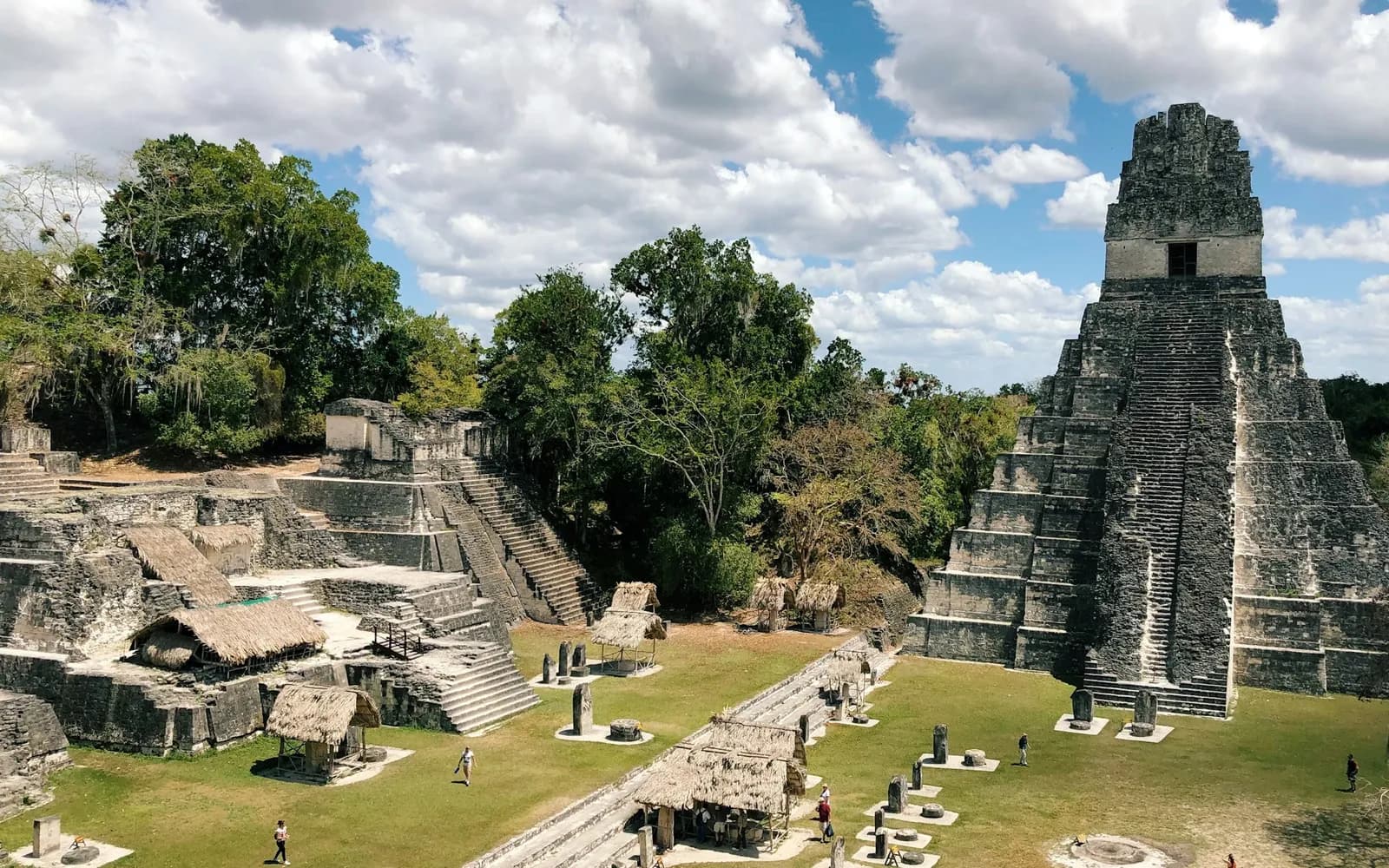 New journeyCentral America: From the Maya to the Canal14 days · 13 nights · Guatemala · El Salvador · Costa Rica · PanamaFrom $6,330 per adultSee the journey
Plan it with us
What we arrange for a trip like this one. Each is booked and paid in one step, and priced in full before you pay.
- New journeyCentral America: From the Maya to the Canal14 days · 13 nights · Guatemala · El Salvador · Costa Rica · PanamaFrom $6,330 per adultSee the journey
- Day outArenal: Hanging Bridges, the Volcano Trails and Hot SpringsAbout 9 hours · La FortunaFrom $258 per personSee the day
 FlightsFlights for your datesFlights worldwide, booked automatically once your payment is confirmed.Search flights
 HotelsHotels for your datesSearch by city or hotel and see the price for your dates and party before you pay.Search hotels
- InsuranceTravel medical insuranceCover valid across Latin America, Cuba included, priced for your dates and ages.From $3.70 per person per dayPrice your cover
Questions
Is ten days enough for Costa Rica?
Yes, for three bases: Arenal, Monteverde and one coast. With a week, choose Arenal and the coast; with two weeks, add Tortuguero or the Osa Peninsula.
When is the best time to visit Costa Rica?
December to April is the dry season in the centre and on the Pacific side. The green season from May to November brings afternoon rain, quieter parks and very green forest.
Do I need a car in Costa Rica?
No. A hire car gives freedom, but the roads are slow and best avoided after dark. Private transfers between bases are a relaxed alternative, and we arrange them.
Do I need a visa for Costa Rica?
Many passports need no visa for a tourist stay. The rules depend on your passport, so check them before you book or ask us through our visa page.