At a glance
- Time needed
- Fourteen days
- Hub
- Buenos Aires
- Best season
- October to April for most routes
- Domestic flights
- Mostly from Aeroparque (AEP)
- Currency
- Argentine peso
In this article7 sections
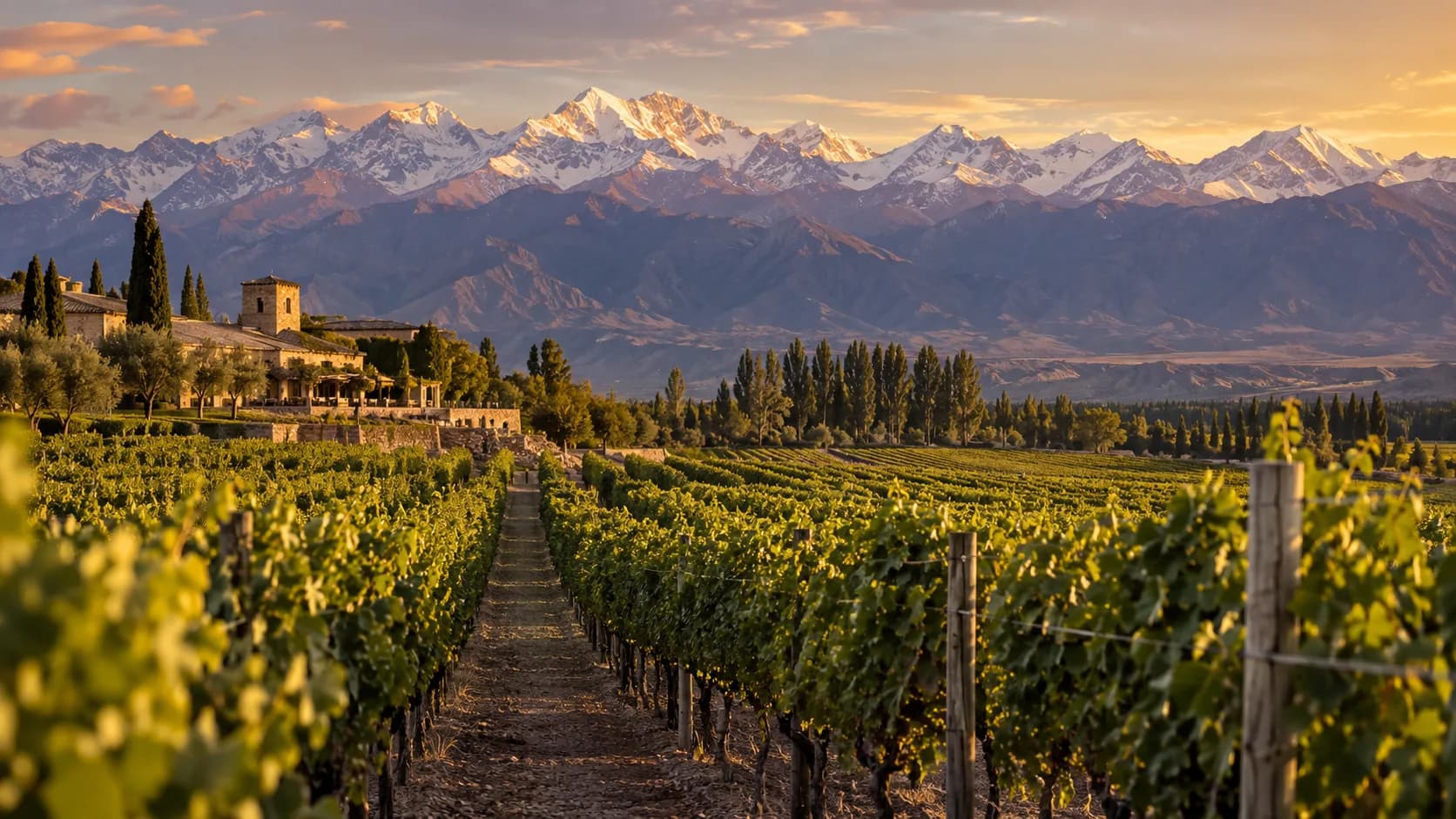
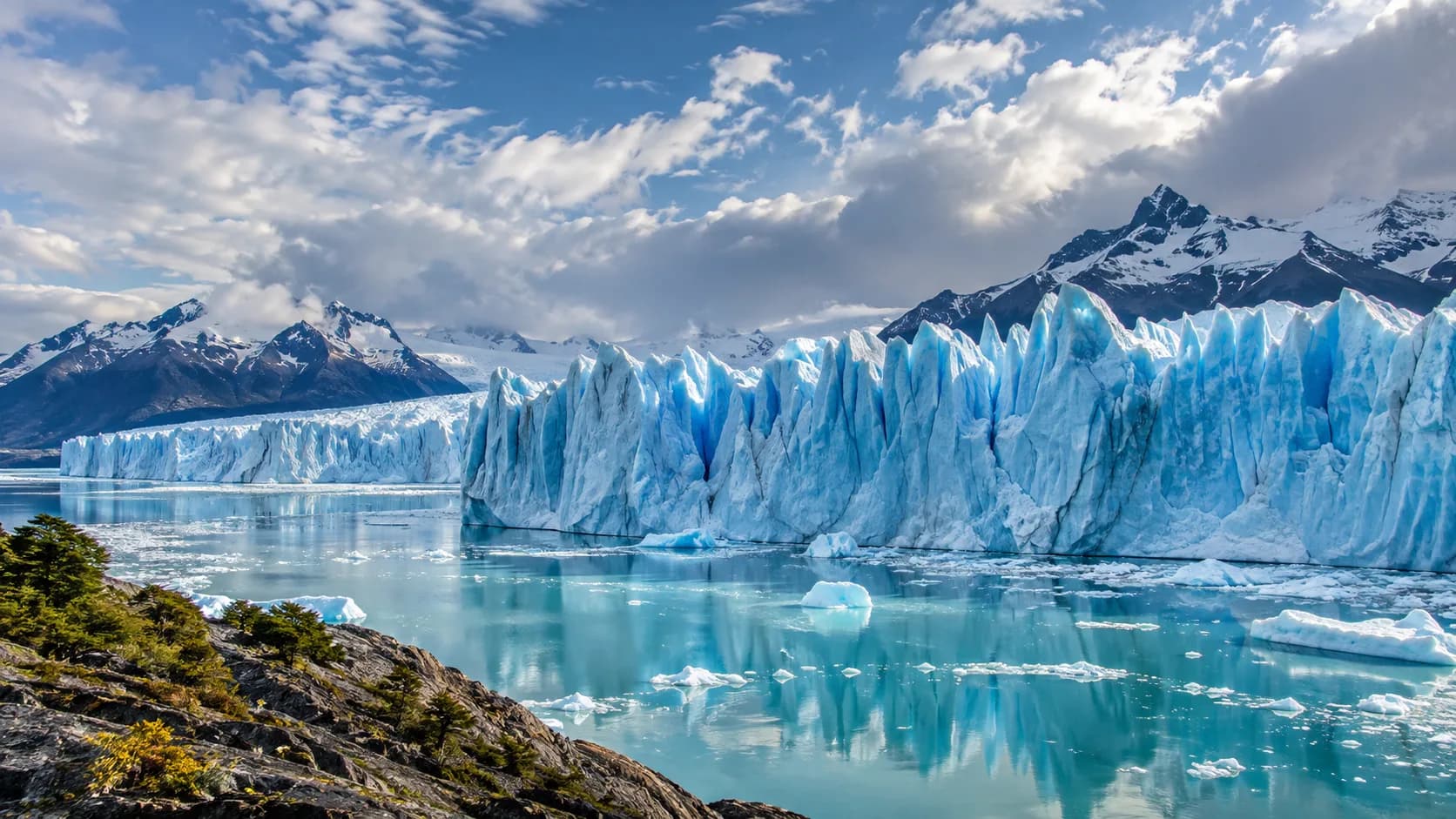
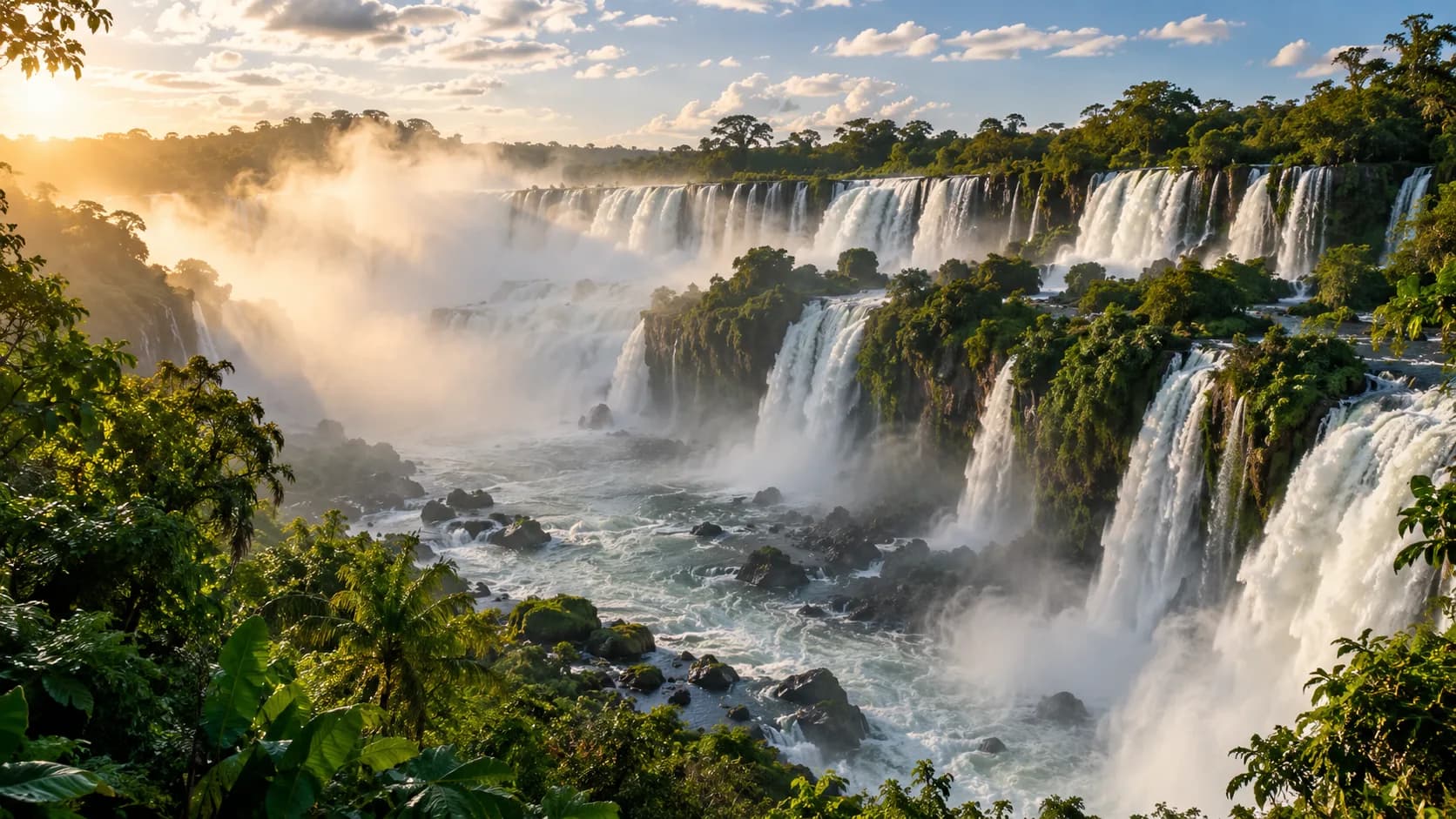
Argentina is the eighth-largest country in the world, and its highlights are scattered across it: waterfalls in the subtropical north-east, red canyons in the north-west, vineyards under the Andes, glaciers in the far south. Two weeks is a good length for a first visit, as long as you accept that it covers part of the country rather than all of it.
Almost every route starts and ends in Buenos Aires and uses domestic flights to cover the distances. Three combinations work particularly well.
Route one: Buenos Aires, Iguazú and Patagonia
The classic first trip. Three or four nights in Buenos Aires, two at Iguazú to see the falls from the Argentine side, then a flight south to El Calafate for the Perito Moreno glacier and on by road to El Chaltén for walking under Fitz Roy. It covers the most variety, at the cost of more flying.
Flights between Iguazú and El Calafate usually connect through Buenos Aires, so allow most of a day for that leg.
Route two: Buenos Aires, the north-west and Mendoza
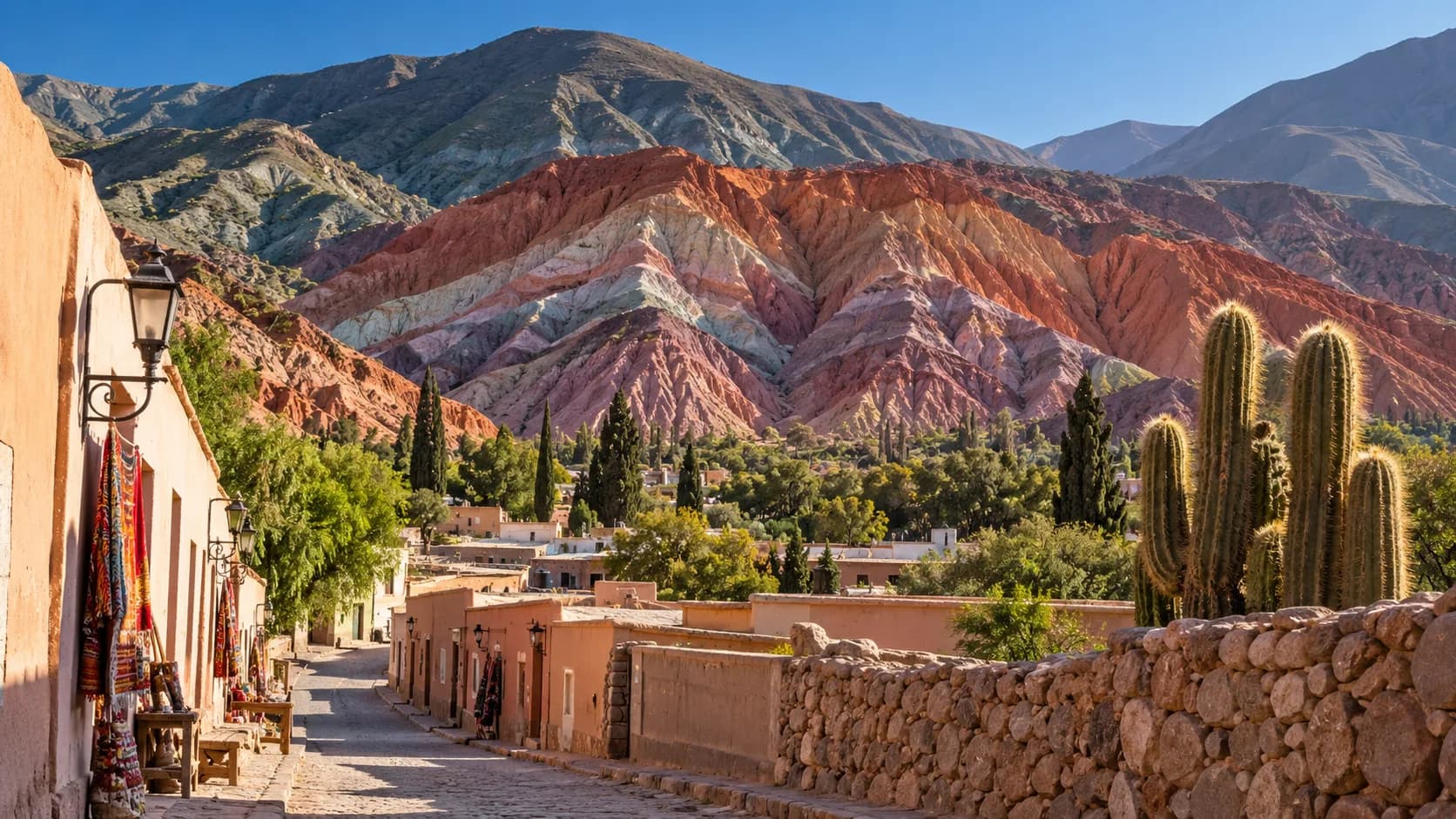
For colour, culture and wine. Fly to Salta, then drive north into the Quebrada de Humahuaca by way of Purmamarca and its Hill of Seven Colours, and south to the vineyards of Cafayate. Finish in Mendoza for wine country before returning to Buenos Aires.
Parts of the north-west sit at altitude and the roads are long and slow, so build in more time each day than the map suggests. Its rain falls mainly in summer, roughly December to March.
Route three: the lakes and the far south
For walkers and lovers of big landscapes. Start in Bariloche among the lakes and forests of northern Patagonia, fly south to El Calafate and El Chaltén for the ice and the mountains, and finish in Ushuaia on the Beagle Channel. It is the most outdoor of the three, and it works best from November to March.
Money and practicalities
The currency is the Argentine peso. Visa and Mastercard are accepted almost everywhere, and foreign cards are usually charged at a favourable rate; carry some pesos for small purchases and tips. US dollars in clean, recent notes are easy to change. Around ten per cent is the usual tip in restaurants.
Most passports enter Argentina for tourism without a visa. Travel insurance is not required to enter, but it is worth holding on a route that runs to Patagonia and altitude.
If you have one week
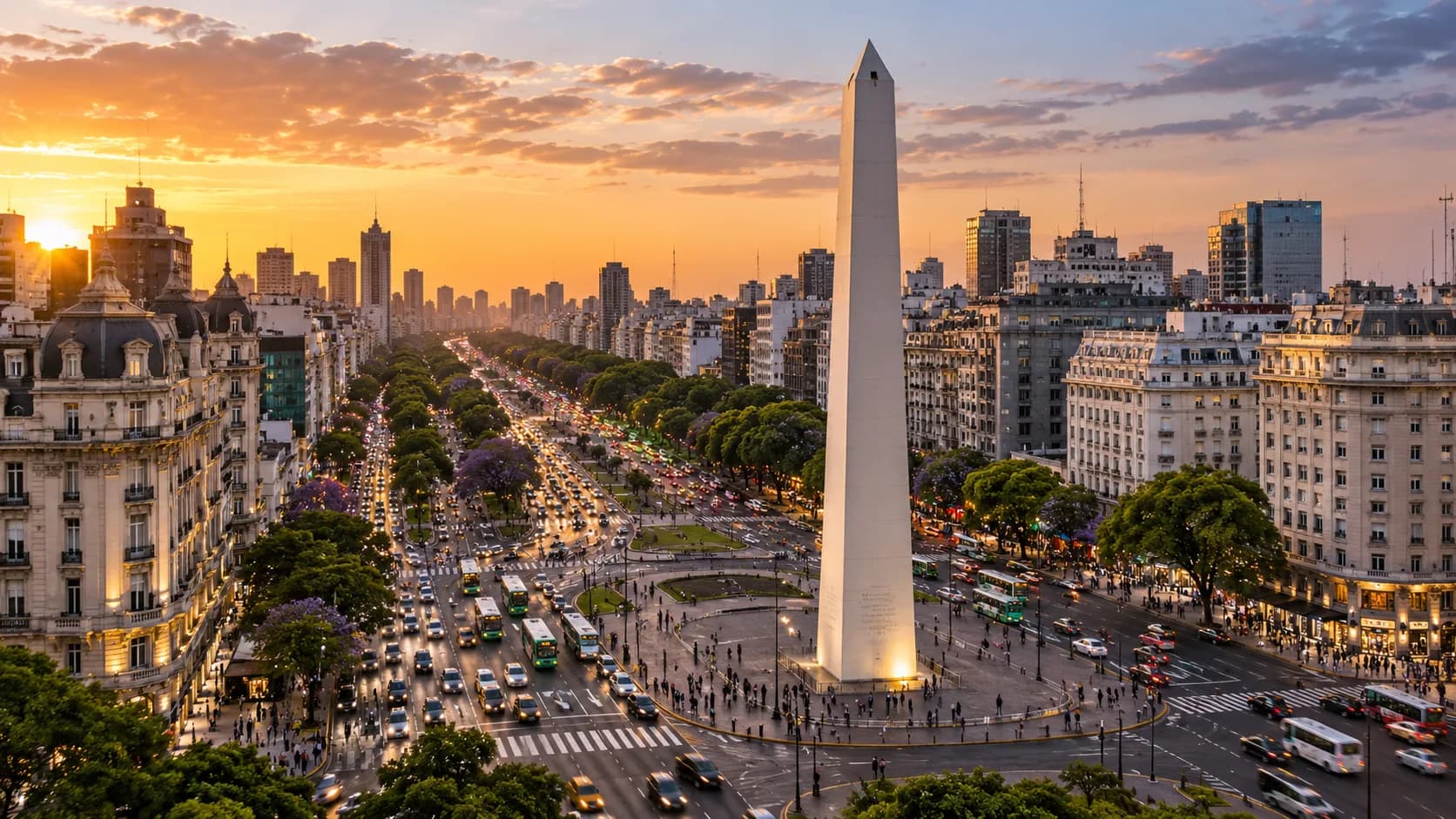
If you have a week rather than two, our Argentina Essentials journey covers Buenos Aires with a private guide and a tango evening, a day and a night at a polo estancia, and two nights in Mendoza’s wine country, with the domestic flights included.
 New routeArgentina Essentials7 days · 6 nights · ArgentinaFrom $2,890 per personSee the journey
Plan it with us
What we arrange for a trip like this one. Each is booked and paid in one step, and priced in full before you pay.
- New routeArgentina Essentials7 days · 6 nights · ArgentinaFrom $2,890 per personSee the journey
 FlightsFlights for your datesFlights worldwide, booked automatically once your payment is confirmed.Search flights
 HotelsHotels for your datesSearch by city or hotel and see the price for your dates and party before you pay.Search hotels
 InsuranceTravel medical insuranceCover valid across Latin America, Cuba included, priced for your dates and ages.From $3.70 per person per dayPrice your cover
Questions
Is two weeks enough for Argentina?
Yes, for a first visit that covers Buenos Aires and two other regions, using domestic flights between them.
What is the best time to visit Argentina?
October to April suits most routes. Patagonia is best from November to March; Buenos Aires and Mendoza are pleasant in spring and autumn.
Do I need a visa for Argentina?
Most passports enter Argentina for tourism without a visa. Check the rules for your passport before you book.
Should I see Iguazú from Argentina or Brazil?
The Argentine side gives the closest views and needs a full day; the Brazilian side gives the wide panorama in a few hours. Visiting Brazil means crossing the border, so check whether your passport needs a visa.